
Introduction
Helping children cope with pet loss starts with honesty and closeness. Tell your child the truth in simple words, show them your own sadness, answer their questions (even the strange ones) as often as they ask, and let them choose how to say goodbye. Expect grief to look different at each age, keep daily routines steady, and give them ways to remember their pet, such as a drawing, a scrapbook or a small ceremony.
Key Takeaways
- For many kids, the death of a pet is their first experience of death. It can feel like a significant loss, sometimes harder than losing a distant relative.
- Grief looks different at every age. Toddlers may get clingy, school-age children ask blunt questions, and teens often hide sadness behind irritability.
- Showing your own grief teaches children that sadness is normal. Name feelings out loud and tell them every feeling is okay.
- Answer questions honestly and simply, as many times as they come. "I don't know" is an honest answer too.
- Let each child choose how involved to be in the goodbye, and give them a way to take part even if they aren't present.
- Ongoing sleep problems, lasting changes at school, or guilt that won't ease are signs to talk with your pediatrician, a school counselor or a grief counselor.
Once you've told your children what's happening, the next big challenge is guiding them through the emotional journey of losing a pet. This guide covers the three things parents ask about most: how to share and validate emotions, how to handle children's (sometimes surprising) questions, and how involved kids should be in the goodbye. If you haven't had the first conversation yet, start with our guide on how to explain euthanasia to a child.
How the Death of a Pet Affects a Grieving Child
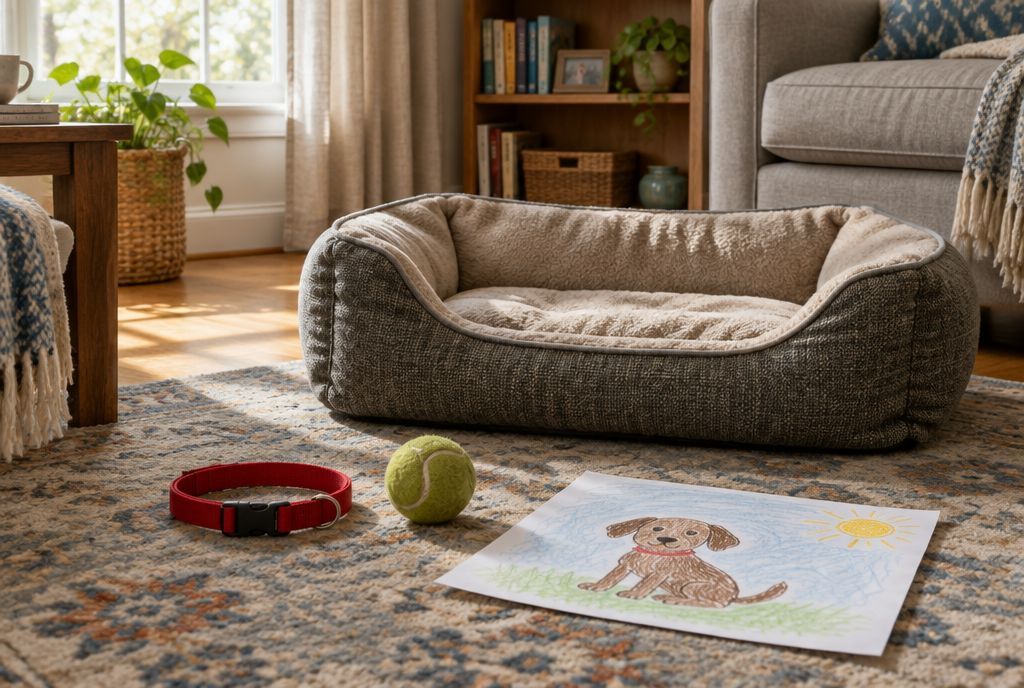
A family pet is often a child's playmate, confidant and source of comfort. They share bedtime, the walk home from school and the quiet moments no one else sees. When that pet dies, children lose daily companionship, a routine and, very often, their first real sense of what death means.
The team at KidsHealth (Nemours) points out that friends or relatives who don't own pets may not understand this. For a child, losing a pet who gave them companionship can be harder than losing a distant relative. Taking their sadness seriously, rather than rushing to cheer them up, is the first step in helping them heal.
How a child reacts depends on the child's age, temperament and how close they were to the pet. Some cry right away. Others seem fine, then fall apart days later over a dropped toy or an empty food bowl. Both are normal parts of the grieving process.
How to Help a Child with the Loss of a Pet at Every Age
When helping children cope with pet loss, remember that young children don't think about death the way adults do. According to Colorado State University's veterinary teaching hospital, children generally don't understand that death is permanent until around age seven or eight, so younger kids need reassurance and the same simple answers repeated many times. The table below draws on guidance from the Ontario Veterinary College Pet Trust and Purdue University's veterinary hospital.
| Age | What grief can look like | How you can help |
|---|---|---|
| Toddlers (under 3) | Sense that something has changed. May be fussier, cry more, cling, or sleep poorly. | Keep routines the same, offer extra holding and a comfort item like a soft toy or blanket. |
| Preschoolers (3–5) | May think death is temporary and ask when the pet is coming back. "Magical thinking" is common. Regression, such as thumb-sucking or potty accidents. | Give short, concrete explanations and repeat them. Use play, puppets, drawing and picture books. |
| Early school age (6–8) | Starting to see death as final. Blunt questions about the body. May fear their thoughts or actions caused it, or feel angry at the pet for "leaving." | Answer directly, say anger and sadness are both okay, and watch closely for self-blame. |
| Preteens (9–12) | Understand death is final and universal. Often hide feelings and seem to cope well. May worry about seeming different from friends. | Make time to talk without pressure, answer detailed questions, and check in more than once. |
| Teens | Grief can be intense but masked by irritability, anger or mood swings. Many have years of memories with the pet. | Respect their way of grieving, involve them in decisions and memorials, and suggest journaling, art or physical activity. |
These ages are a rough guide, not a rule. A sensitive five-year-old may ask questions like a nine-year-old, and a teenager may need the same hugs as a toddler. Follow your own child's lead.
1. Share and Validate Emotions, Including Sadness
Children take emotional cues from the adults in their lives. If you allow yourself to feel sadness openly, and maybe even cry in front of them, you show them it's okay to be upset. Kids learn that grief is a natural response to losing someone we love, even when that someone is a pet.
- Show your own sadness: Cry if you need to; it's healthy. Purdue's veterinary hospital suggests modeling it in simple words, such as "I am so sad and miss Max."
- Name the feeling: "You seem really angry right now. That makes sense." Giving big feelings a name makes them less scary.
- Offer reassurance: Emphasize that any emotion (sadness, anger, confusion, even bursts of happiness) is normal.
- Don't force it: Some children don't want to talk at first. Let them know you're there whenever they're ready.
Balancing your own expressions of grief while supporting your children can be tricky, but authenticity encourages them to do the same. Sharing a story about a pet you lost when you were young can help your child feel less alone.
Common Feelings and What to Say
| Feeling | What it can look like | Something you can say |
|---|---|---|
| Sadness | Crying, quietness, wanting the pet's bed or toys close | "It's okay to be sad. We're sad because we loved her so much." |
| Anger | Tantrums, slammed doors, anger at the vet or at you, especially after euthanasia | "You're allowed to be angry. The vet and I wanted to help him so much." |
| Guilt | "It's my fault," or remembering times they forgot to feed or walk the pet | "Nothing you did or thought made her die. Her body was very old and couldn't get better." |
| Fear | Worry that a parent, sibling or another pet will die next; trouble at bedtime | "I'm healthy, and I plan to be here to take care of you for a very long time." |
| Loneliness | Missing the pet at the times they used to spend together | "Walks feel different without him. Want to tell me your favorite walk you two took?" |
KidsHealth notes that children may also feel guilty about times they were unkind to the pet or didn't care for it as they promised. Reassure them gently, and more than once, that those moments did not cause the pet's death.
Children don't need us to hide our tears. They need to see that grief is what love looks like after a goodbye.
2. Be Open to Unexpected Questions
Kids have their own way of processing the concept of death, and you might get a curveball like, "Will Fluffy come back as a zombie?" Even if it catches you off guard, it's just your child trying to make sense of something very new and scary. Questions often come at odd moments, in the car or at bedtime, and the same question may come back for weeks.
- Stay calm and honest: Explain that once a pet dies, they won't come back. Their body has stopped working, and they don't feel pain, hunger or cold anymore.
- Use simple words: Say "died" and "dead." Euphemisms such as "put to sleep," "went away" or "we lost him" can make young children afraid of sleep or keep them waiting for the pet to return.
- Welcome curiosity: If you don't know the answer, say so, and suggest finding out together.
This approach builds trust and helps children feel safe to express themselves, no matter how odd their questions might sound at first.
Hard Questions Kids Often Ask
"Where did she go?" Share your family's own beliefs, if you have them. KidsHealth notes that an honest "I don't know" is fine, and that it's okay to say death is a bit of a mystery.
"What happens to his body?" Be truthful and gentle. The OVC Pet Trust guide advises avoiding words like "fire" or "burn" when you explain cremation. If your family chose water cremation, you can say, "His body was gently cared for with water, and we will get his ashes back so we can keep them somewhere special."
"Did I make him die?" Children ages six to eight in particular may believe their thoughts or actions caused the death. Tell them clearly that it wasn't their fault, and use the real reason when you can (such as "his kidneys stopped working"), since the OVC guide notes that a vague word like "sick" can make children worry about their own colds.
"Are you going to die too?" Be honest that everyone dies one day, then add the reassurance they need: most people live a long, long time, and you expect to be here for a very long time.
3. Allow Appropriate Involvement in the Goodbye and Euthanasia
Every child handles loss differently. Some want to be present during euthanasia, while others prefer to say goodbye beforehand. There's no one-size-fits-all rule. It's about respecting your child's wishes and emotional readiness, and making it clear they can change their mind.
- If they want to be present:
- Gently describe what will happen, step by step.
- Reassure them you'll be by their side the whole time.
- Agree on a signal they can give if they want to leave the room.
- If they do not want to be present:
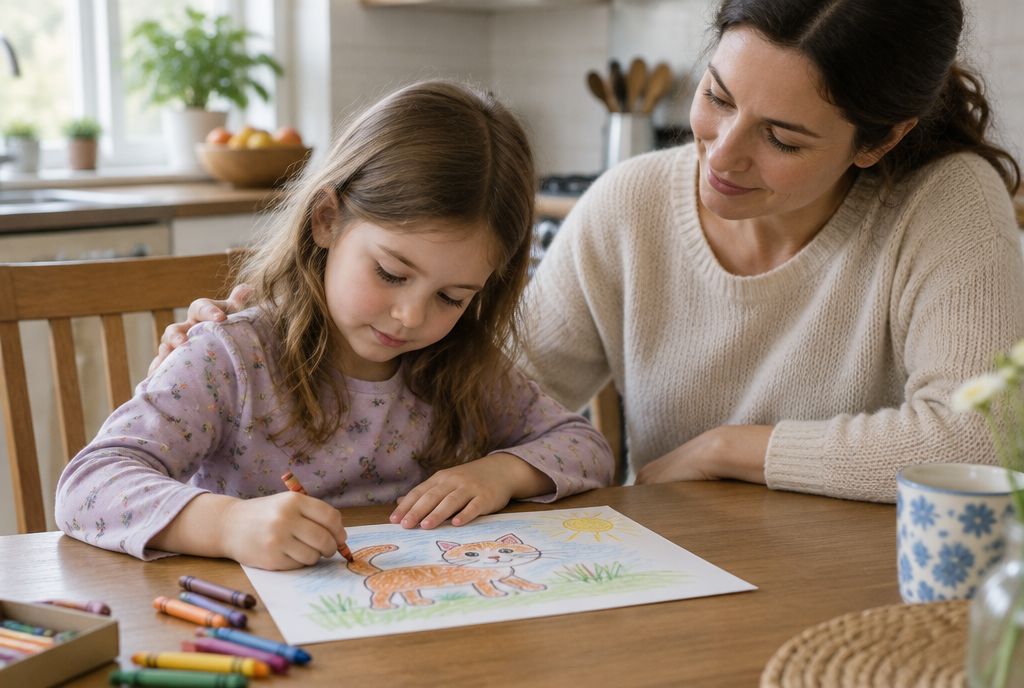
- Offer another way to say goodbye, like writing a letter, drawing a picture, or spending a special "goodbye day" together.
- Let them decide how they're most comfortable parting with their pet.
KidsHealth notes that many children want to say goodbye first, and some older children may be mature enough to stay with the pet to comfort it. Colorado State's veterinary hospital adds that well-prepared children usually handle it well when they're given the choice, and suggests having a friend stay with very young children while older family members say goodbye. For a deeper look at this decision, read Should Children Be Present During Pet Euthanasia?
Where the goodbye happens can make a difference too. With in-home pet euthanasia, children can say goodbye in a familiar, special place, with the pet's favorite blanket and the whole family close by. Your role is to guide, support and validate whatever level of involvement they choose.
Tip: let kids help plan the goodbye
Ask your child what their pet loved most. A favorite treat, a toy tucked under the blanket or a song can give children a job to do, which often makes a hard moment feel a little more manageable.
Helping Children Cope with Pet Loss Day to Day
Healing happens in small, ordinary moments after the goodbye. When it comes to helping kids cope with pet loss, these everyday steps help children feel safe while they grieve.
- Keep routines predictable. Regular meals, school and bedtime give young children a sense of security when something big has changed. Predictability is a quiet form of comfort.
- Tell the adults around them. Let teachers, coaches, the school counselor and caregivers know about the pet's death, so they understand a sudden mood change or a tearful moment in class.
- Make room for play. Young children often process grief through play, such as holding a pretend funeral for a stuffed animal. That's healthy, not morbid.
- Read together. Age-appropriate picture books about pet loss give children words for feelings they can't yet explain. A children's librarian at your public library or your school counselor can suggest books that fit your child's age.
- Keep saying the pet's name. Talk about the pet often and with love. Kids take their cue from you: if the pet's name is never spoken, they may think they shouldn't mention it.
- Plan for hard days. The pet's birthday, the adoption anniversary or the first holiday without them can bring grief back. A small remembrance ritual on those days can help.
Remembrance Activities That Help Children Heal
Remembering a pet gives children something active to do with their love. According to KidsHealth and Colorado State's veterinary hospital, memorial activities such as a small ceremony, sharing stories, drawings and scrapbooks can help children express what they can't yet put into words. Ideas that work well for kids include:
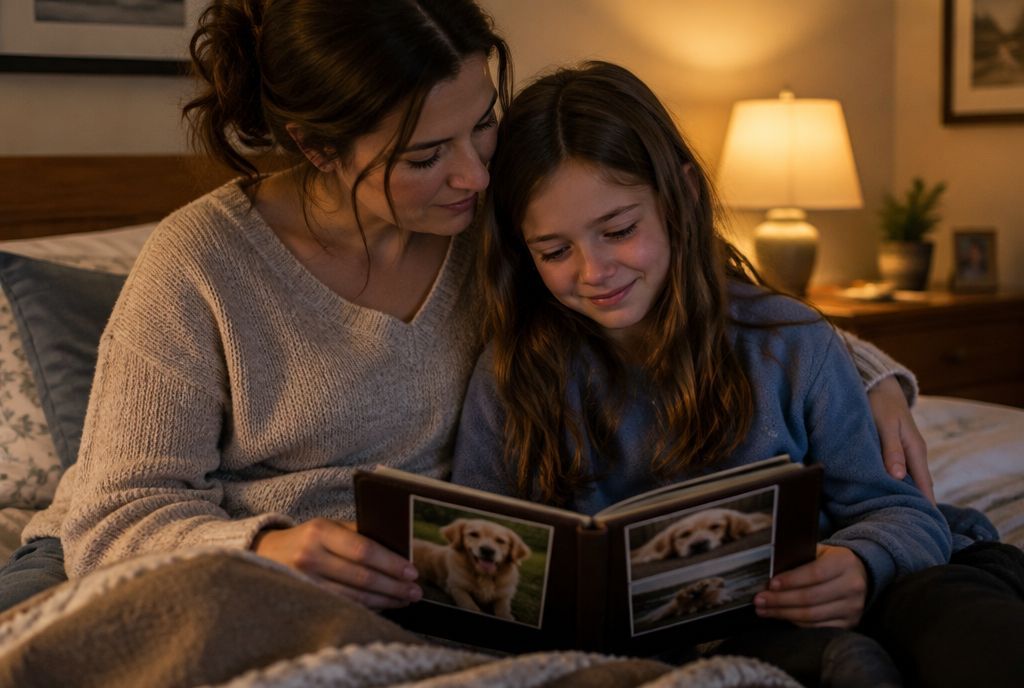
- A scrapbook or photo album of the pet's life, with photos, drawings and favorite stories.
- A letter or drawing to the pet, which can be read aloud at a goodbye ceremony.
- A family memorial where each family member shares one thing they loved about the pet.
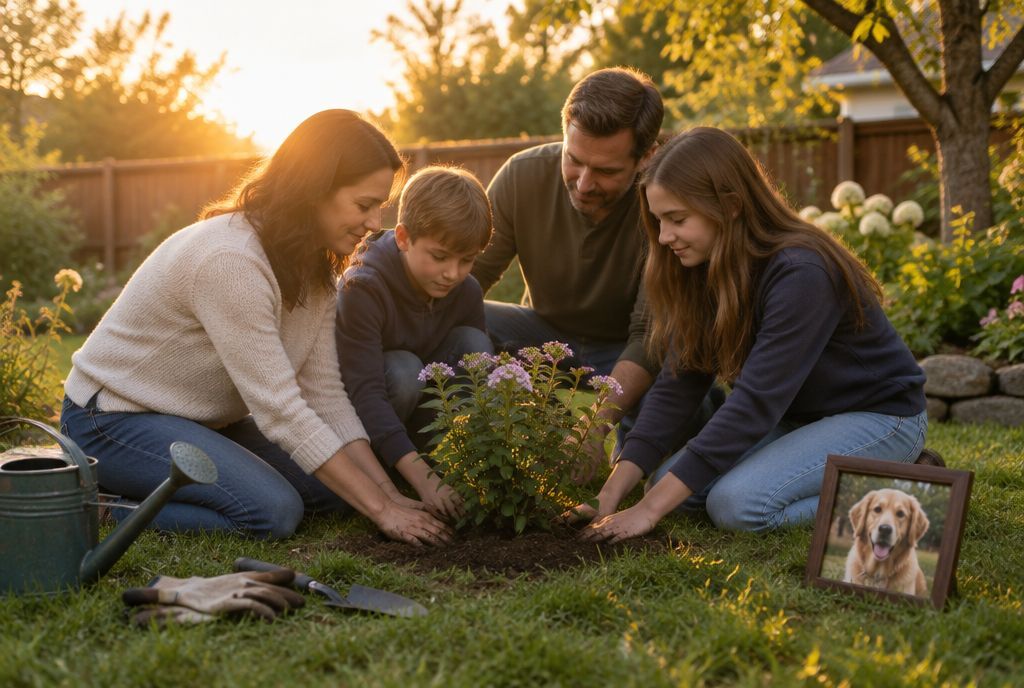
- Planting a tree or flowers in a special place in the yard as a living remembrance.
- A memory box for the pet's collar, tag and a favorite toy. Our guide to pet memorial ideas for families has more ways to remember a pet together.
- A keepsake they can hold, such as a paw print or a small clipping of fur, kept on a shelf by their bed.
Let your child choose the activity. A memorial they plan themselves often brings more closure than one an adult designs for them.
When to Seek Extra Help for a Grieving Child
Grief doesn't follow a schedule, and the OVC Pet Trust guide notes that sadness about a pet can resurface long after the death, often at a new milestone or another loss. Most children slowly return to their usual selves, but the same guide says prolonged reactions may mean a child needs support from a trained grief counselor.
Talk with your pediatrician, the school counselor or a child mental health professional if you notice:
- Ongoing sleep problems or nightmares that don't ease over several weeks
- Regression (bedwetting, baby talk, clinginess) that lasts or gets worse
- A lasting drop in grades, or not wanting to go to school
- Pulling away from friends and activities they used to enjoy
- Guilt or fear that won't ease, even with reassurance
- Physical symptoms, such as frequent stomachaches or headaches, with no medical cause
If a child talks about wanting to die or about hurting themselves, contact their doctor or a mental health professional right away.
Helping children cope with pet loss is easier when your own grief is supported too. Honor Pet's pet loss support is led by a licensed clinical social worker and includes free weekly virtual support groups and private one-on-one sessions (60 minutes, $40). It's a safe space for parents to talk about the loss while they care for their kids.
Should You Get a New Pet Right Away?
It's natural to want to take a child's pain away by bringing home a puppy or kitten. But a quick replacement can send the message that the pet who died was easy to replace, and it can cut short your child's chance to grieve. KidsHealth suggests that when the time is right, you present a new pet as welcoming another animal friend, not as a replacement.
A good sign that your family may be ready is when your child starts asking about another pet on their own, and can talk about the pet who died with more fond memories than tears. Our family guide on when (and how) to welcome a new pet after a loss walks through the decision step by step.
Conclusion
Helping children cope with pet loss is a profound emotional journey for the entire family. By sharing your own feelings, welcoming their questions, and letting them take part (or not) in the goodbye, you lay the groundwork for healthy grieving. Keep routines steady, keep your pet's memory alive in your daily life, and watch for signs that your child needs extra support. With honesty, compassion and time, children learn that love doesn't end when a pet's life does.
For what to say in the very first conversation, see our guides on preparing kids for pet euthanasia and how to tell kids a pet died.
Supporting your family through a goodbye?
Honor Pet offers gentle in-home and Comfort Center euthanasia, water cremation, and free weekly pet loss support groups. We're here for your whole family.
Many children find comfort in a keepsake they can hold. A clay paw print ($40), an ink paw print or a fur clipping ($7.50) from the Honor Pet store can sit on a child's shelf as a gentle reminder of the pet they loved. Each piece is personalized by hand.
Frequently Asked Questions
How long does it take a child to get over the death of a pet?
Helping children cope with pet loss takes patience, because there is no set timeline. Many children feel better within weeks, but sadness can come back months or years later, at a new milestone or another loss. That's normal. If strong reactions like ongoing sleep problems or school trouble last for several weeks, talk with your pediatrician or a grief counselor.
Is it okay to cry in front of my child after our pet dies?
Yes. Crying in front of your child shows that sadness is a normal response to losing someone we love. You can explain your tears in simple words, such as "I'm crying because I miss Max so much." It gives your child permission to share their own feelings too.
What should I avoid saying when a pet dies?
Avoid euphemisms like "put to sleep," "went away," "we lost him" or "passed away." Young children take words literally and may fear going to sleep or keep waiting for the pet to come back. Don't hide the death with a story that the pet ran away. Use clear, gentle words such as "died" and "her body stopped working."
How do I help my child if they feel guilty about our pet's death?
Tell them clearly, and more than once, that nothing they did or thought caused the death. Give the real reason in simple words, such as "his heart was very old and stopped working." Children ages six to eight are especially likely to blame themselves, so listen for clues like "if I had walked him more."
Should my child attend the pet's burial or memorial?
If your child wants to, yes. Taking part in a burial, memorial or goodbye ceremony helps many children understand the death and say goodbye. Give them a role, such as reading a letter, placing a drawing or choosing a song, and let them sit out any part that feels like too much.
When should I worry about my child's grief?
Watch for reactions that last or get worse over several weeks: ongoing nightmares or trouble sleeping, regression, a drop in grades, pulling away from friends, or guilt that won't ease. These are signs to talk with your pediatrician, the school counselor or a grief counselor. If a child talks about wanting to die or hurting themselves, get help right away.