
Introduction
Most dogs live about 10 to 13 years. The largest study to date, covering more than 584,000 dogs in the UK, found a median lifespan of 12.5 years, but the number shifts a lot with size, breed and face shape. Small, long-nosed breeds often reach their mid-teens, while giant and flat-faced breeds tend to have fewer years, so knowing where your dog fits helps you plan for every life stage.
Key Takeaways
- The average lifespan for most dogs is about 10 to 13 years; a 2024 UK study of 584,734 dogs found a median of 12.5 years.
- Small breeds usually outlive large and giant breeds.
- Flat-faced breeds such as French Bulldogs and Bulldogs tend to have shorter lives.
- Genetics strongly shape a dog's lifespan, especially in breeds with inherited health risks.
- Keeping a healthy weight can add years: lean Labradors lived about 1.8 years longer in a 14-year study.
- Preventive care helps senior dogs by catching health problems earlier, when treatment is often easier.
Your canine companions do not all age the same way. A Chihuahua, a Labrador Retriever and a Great Dane can have very different life expectancy patterns, even with loving homes and good care. That is why the average lifespan of dogs is only a starting point, not the whole answer. If you are wondering how long your dog may live and what affects those years, it helps to look at size, breed, genetics and day-to-day health habits together.
What Is the Average Life Expectancy of a Dog?
For most dogs, the average lifespan is about 10 to 13 years. That is the short answer to the question many families ask first. Still, this number covers enormous variation because dogs differ more in size and body type than almost any other common companion animal. A toy-sized dog and a giant breed do not follow the same aging pattern.
Two large studies give useful anchors. A 2024 study in Scientific Reports looked at 584,734 dogs in the UK and found a median lifespan of 12.5 years, with females living slightly longer (12.7 years) than males (12.4 years). A 2022 Royal Veterinary College study built the first life tables for UK dogs and estimated life expectancy at birth at 11.2 years. That second figure is lower because it also counts dogs that die young.
So, when you ask how long dogs live, the best answer is this: most dogs live around 10 to 13 years, but size, breed and face shape can shift that number by several years in either direction.
Why Do Dogs Have Shorter Lifespans Than Humans?
Dogs age faster than humans, even though the exact reason is still being studied. Across mammal species, bigger animals usually live longer (an elephant outlives a mouse), yet dogs do not follow that pattern within their own species. Their lifespan seems tied to how quickly they grow and how their bodies age after maturity.
Another piece of the puzzle is health issues. In a dog's life, age-related disease can appear earlier and move faster than it does in people. Size, breed-linked illness and the body's wear over time all help explain why dogs have shorter lifespans than humans.
The Biology Behind Dog Aging
One leading idea is that dogs, especially bigger ones, age along a faster biological timeline. Rapid growth may place extra strain on the body early in life. Giant breeds reach their large adult size quickly, and that growth pattern may raise the risk of abnormal cell growth and later disease.
As dogs age, normal body systems begin to lose reserve. Heart function can decline, the immune system becomes less efficient, and recovery from illness may take longer. You may also notice lower energy, less stamina and slower movement before any obvious disease appears.
Researchers are still working out the full story, but the pattern is clear. Larger dogs tend to die younger mainly because they seem to age faster. That does not mean every big dog has a short life. It means biology, growth rate and age-related disease combine to shape how long each dog is likely to live.
How Does Size Affect the Expected Lifespan of Dogs?
Size has a strong effect on the average lifespan of dogs. Small breeds usually live the longest, medium dogs sit in the middle, and large and giant breeds tend to have fewer years. In the 2024 UK study, large breeds had about a 20% higher risk of a shorter life than small breeds.
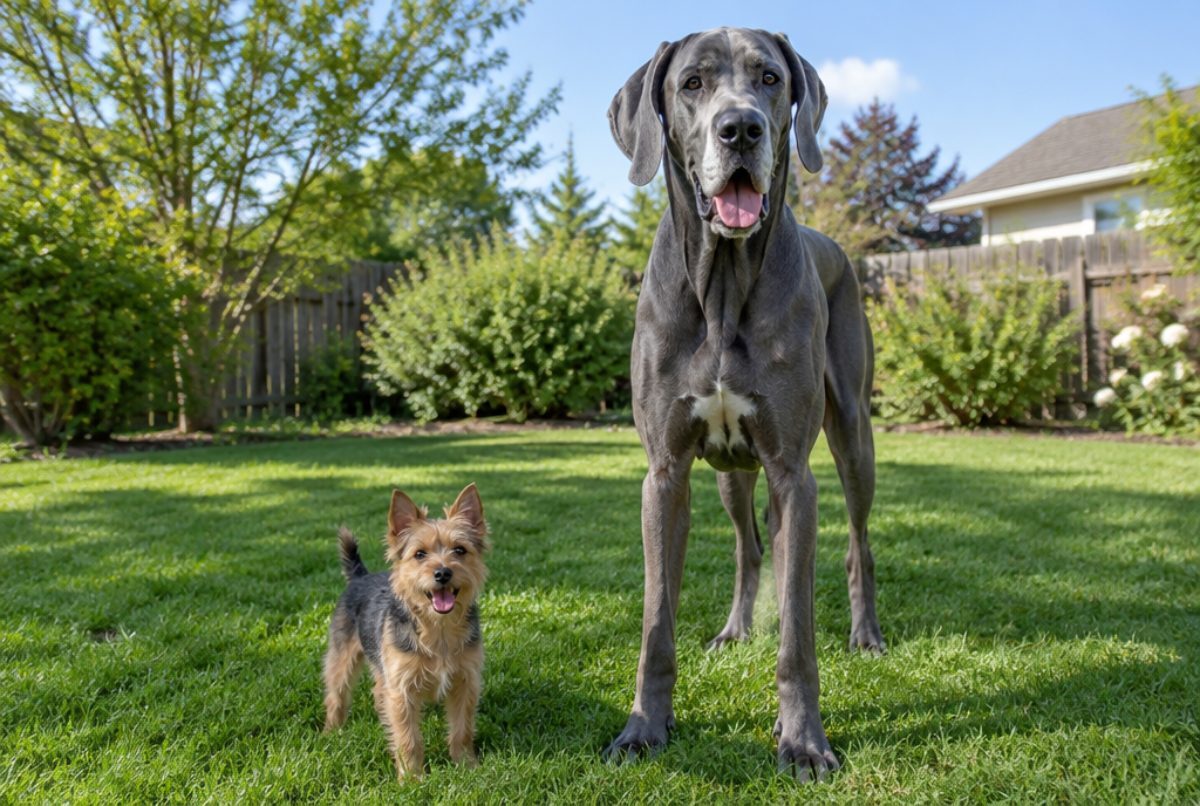
That said, size is not the only factor. A healthy weight matters at every body size, and breed-specific disease risk can change the picture. Still, if you want a simple rule, it is this: smaller dogs usually outlive larger ones. The table below compares lifespan by size group.
Lifespan Table: Small, Medium, Large, and Giant Breeds
A size-based view helps you set realistic expectations. These figures come from the 2024 UK study of purebred dogs and are broad medians, not promises for any one dog.
| Size group | Median lifespan | Breed examples (median) |
|---|---|---|
| Small | 12.7 years | Tibetan Spaniel 15.2, Papillon 14.5 |
| Medium | 12.5 years | Border Collie 13.1 |
| Large | 11.9 years | Labrador Retriever 13.1 |
| Giant | Often under 10 years | Saint Bernard 9.2, Mastiff 9.0 |
Face shape matters too. In the same study, flat-faced (brachycephalic) purebreds had a median lifespan of 11.2 years, compared with 12.8 years for breeds with a medium-length muzzle. This size and shape pattern does not replace breed-level detail, but it gives you a useful starting point when thinking about expected lifespan.
Why Do Smaller Dogs Live Longer Than Larger Dogs?
Smaller dogs usually have a longer life span than larger dogs, but the exact reason is not fully settled. That makes this topic frustrating for pet families and researchers alike, because across most mammal species the bigger animal is the one that lives longer.
Part of the answer may be disease burden. Common age-related problems can be harder to manage in larger dogs. Mobility loss, some cancers and other serious conditions may reduce comfort sooner and shorten survival time. Larger bodies also place more strain on joints and other systems over time.
There are differences in the illnesses seen across size groups too. Small dogs often face dental disease and degenerative heart valve disease, while larger dogs may face more arthritis, bone cancer and other severe conditions. So, smaller dogs may live longer not because they avoid aging, but because their bodies often age under less physical strain.
How Long Do Different Dog Breeds Live on Average?
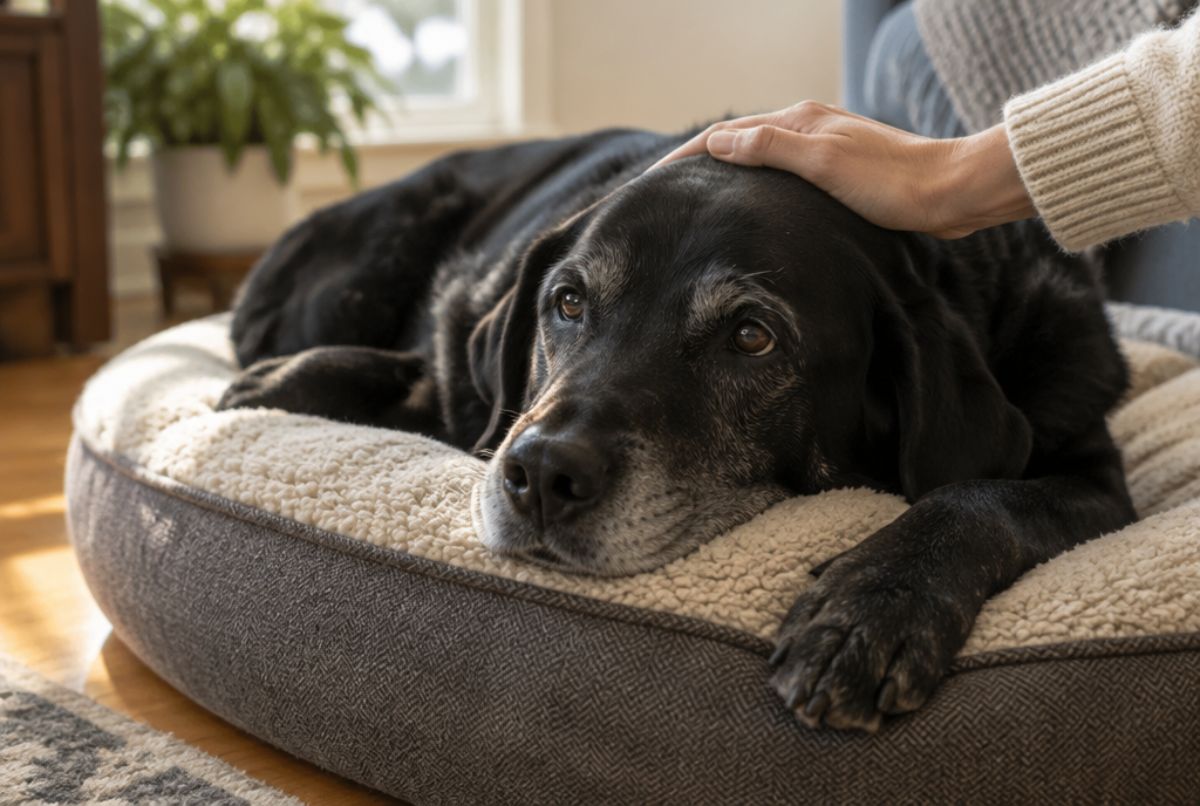
Dog breeds can differ by many years in median lifespan. Some reach the mid-teens regularly, while others are considered seniors much earlier. This is why breed matters so much when you are trying to estimate your dog's future years.
Even so, individual dogs are not statistics. Good care, body condition and luck all play a role. Breed averages are helpful because they show patterns, not because they predict a fixed outcome. The tables below show how wide that range can be.
Lifespan Table: How Long Popular Breeds Live
The first table shows the median age at death from the 2024 UK study, including the longest- and shortest-lived breeds.
| Breed | Median lifespan |
|---|---|
| Lancashire Heeler | 15.4 years |
| Tibetan Spaniel | 15.2 years |
| Shiba Inu | 14.6 years |
| Papillon | 14.5 years |
| Labrador Retriever | 13.1 years |
| Border Collie | 13.1 years |
| Pug | 11.6 years |
| French Bulldog | 9.8 years |
| Bulldog | 9.8 years |
| Saint Bernard | 9.2 years |
| Mastiff | 9.0 years |
| Cane Corso | 8.1 years |
| Caucasian Shepherd | 5.4 years |
The second table shows life expectancy at birth for common breeds from the 2022 Royal Veterinary College life tables. These figures are a little lower than the median age at death because they include dogs that die young, so compare breeds within each table rather than across the two.
| Breed | Life expectancy at birth |
|---|---|
| Jack Russell Terrier | 12.7 years |
| Yorkshire Terrier | 12.5 years |
| Border Collie | 12.1 years |
| Crossbreed (mixed breed) | 11.8 years |
| Labrador Retriever | 11.8 years |
| Cocker Spaniel | 11.3 years |
| Shih Tzu | 11.1 years |
| German Shepherd | 10.2 years |
| Boxer | 10.0 years |
| Beagle | 9.9 years |
| Chihuahua | 7.9 years |
| Pug | 7.7 years |
| English Bulldog | 7.4 years |
| French Bulldog | 4.5 years |
The two studies used different methods, so the numbers will not match perfectly. Still, the pattern is consistent: smaller, longer-nosed breeds tend to live longer, while flat-faced and giant breeds usually have a shorter lifespan.
Which Breeds Are Known for Longer or Shorter Lifespans?
Some breeds are often associated with longer lives. In the 2024 UK study, the Lancashire Heeler, Tibetan Spaniel, Shiba Inu and Papillon all had medians above 14 years, and the Border Collie and Labrador Retriever both reached 13.1 years. Small, long-nosed breeds tended to do best overall.
On the other side, breeds with a shorter lifespan often include giant dogs and flat-faced dogs. The Caucasian Shepherd, Presa Canario, Cane Corso, Mastiff and Saint Bernard had some of the shortest medians, and the French Bulldog, Bulldog and Pug also sat below average. In broad terms, larger size and a shortened muzzle are both linked with a higher risk of early death.
Designer breeds are not automatically protected from inherited problems. While mixed ancestry can sometimes reduce certain risks, popular crosses can still develop predictable health issues of their own. So, longer life is not about trend or popularity. It is about body structure, genetic background and overall health burden.
Breed averages describe groups of dogs, not your dog. A healthy weight, steady routines and early vet visits can shift the odds in your favor.
What Factors Influence a Dog's Lifespan the Most?
A dog's lifespan is shaped by several forces working together. Genetics matter, but so do everyday choices such as weight management, routine veterinary care and how quickly health problems are found. No single factor controls everything.
Preventive care is one of the most useful tools you have. Vaccines, parasite prevention, exams and screening tests can catch illness before it becomes harder to manage. Genetic diversity may also matter because it can lower the chance of some inherited diseases. The next two sections break down these major influences in a practical way.
The Role of Genetics and Breed Background
Genetics play a major role in how long dogs live. Breed background can shape the risk of cancer, airway disease, joint trouble, heart disease and many other health issues. That is why some breeds repeatedly show similar patterns in lifespan studies.
Purebred dogs may carry a higher risk of certain inherited disorders because they are bred from dogs with similar genes. That does not mean every purebred dog will be unhealthy. It means the odds of some problems can rise when a breed has a limited gene pool or extreme body traits.
Mixed-breed dogs are often said to live longer, but the evidence is mixed. The 2024 UK study found a median of 12.0 years for crossbreeds and 12.7 years for purebreds, while the Royal Veterinary College life tables put crossbreeds (11.8 years) slightly above the average dog (11.2 years). Knowing your dog's breed background, or using breed and health testing, can help you and your veterinarian anticipate problems earlier.
Impact of Nutrition, Exercise, and Veterinary Care
Daily care has a real effect on long-term health. Proper nutrition, regular exercise and preventive care help protect muscle mass, mobility and metabolic health. In a 14-year study of Labrador Retrievers, dogs fed 25% fewer calories than their littermates lived a median of 13 years, compared with 11.2 years for the dogs that ate more, about 1.8 years longer. Extra weight also strains aging joints, as we explain in our guide to how excess weight affects a senior pet's mobility.

Just as important, veterinary care helps with early detection. Routine exams, parasite prevention, vaccines and health screening can uncover disease before signs become obvious. Senior dogs may need checkups more often, especially when breed risks are known.
- Feed measured meals and adjust portions as your dog's metabolism changes.
- Aim for regular exercise that fits your dog's age, size and body condition.
- Stay current on preventive care, including vaccines and parasite prevention.
- Ask your veterinarian about bloodwork and other health screening as your dog ages.
Signs Your Dog Is Aging and How to Support Their Senior Years
Aging in dogs often starts with small changes. You may notice lower energy, more sleep, stiffness, hearing or vision changes, or less interest in play. These shifts can happen gradually, which makes them easy to miss at first.
Senior pet care works best when you respond early. Watching appetite, movement, body condition and behavior can help protect quality of life during the senior years. Some changes are expected with aging, while others point to treatable disease. The next sections can help you spot the difference and support your dog more confidently.
When does a dog become a senior? The American Animal Hospital Association (AAHA) describes the senior life stage as the last 25% of a dog's estimated lifespan. For a dog expected to live 12 years, that starts around age 9. Learn more in our guide: When Is My Pet Considered a Senior?
Recognizing Aging Symptoms in Dogs
Older dogs often show aging in ways that seem subtle at first. A dog that once rushed to the door may rise slowly. A playful pet may nap more, hesitate on stairs, or seem less interested in walks. Changes in energy and slower recovery after activity are common early clues.
At the same time, aging can overlap with chronic conditions. Arthritis, dental disease, kidney trouble, cognitive decline and cancer become more common with time. That is why it helps to watch patterns, not just one symptom.
- More sleeping or less enthusiasm for play and walks
- Weight change or declining body condition
- Bad breath, trouble chewing or other dental concerns
- Changes in hearing, vision, mobility or house training
If you see these shifts, schedule an exam. Many signs of aging deserve a closer look rather than being written off as "just old age." If your dog is struggling to get around, our tips on supporting senior dogs with mobility loss can help.
Proactive Tips to Help Extend Dog Lifespan
You cannot control every part of your dog's lifespan, but you can improve the odds of more good years. Home care matters most when it is steady, simple and matched to your dog's life stage. Small habits add up over time.
Focus on daily routines that protect weight, mobility and the brain. A balanced diet and age-appropriate activity help the body, while mental stimulation can keep older dogs engaged. Preventive care fills the gap by catching silent problems earlier.
- Feed a balanced diet in measured portions to maintain a healthy weight.
- Keep up regular physical activity suited to your dog's age and size.
- Use mental stimulation such as training games or puzzle toys.
- Stay consistent with parasite prevention and veterinary visits.
Think of these steps as long-game care. They do not promise extra years, but they support comfort, function and resilience.
When Is It Time to Say Goodbye to an Aging Dog?
This question is one of the hardest a family can face. In general, it may be time to say goodbye when a senior dog no longer has an acceptable quality of life and their comfort cannot be maintained despite treatment and support. Ongoing pain, severe mobility loss, breathing distress, loss of interest in food or repeated crises from serious health problems can all be part of that picture.
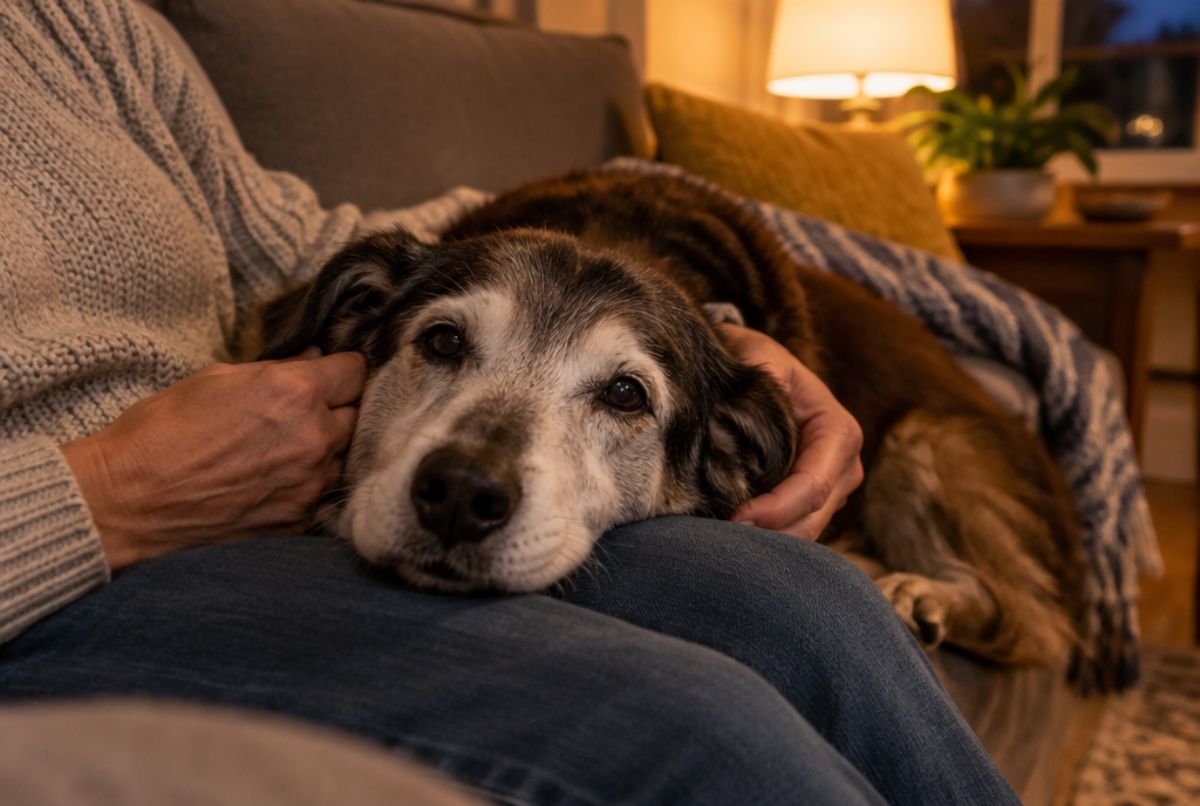
You do not have to sort this out alone. Early detection of disease gives you more time to plan, treat what can be treated and make thoughtful decisions instead of rushed ones. Many families find it helpful to track appetite, sleep, mobility, anxiety, good days and bad days. Our quality of life checklist and our guide on how to know when it's time to say goodbye walk you through the signs.
If you would like help judging your dog's quality of life before a crisis, Honor Pet offers one-hour quality of life consultations with a licensed veterinarian, virtual or in person. When the time comes, our veterinarian can provide a peaceful in-home euthanasia throughout Los Angeles and surrounding areas, or a gentle goodbye at our Comfort Center in downtown Los Angeles, with private, home-like rooms. Appointments are available 7 days a week, and same-day visits are often available.
Is your senior dog slowing down?
Our veterinarians can help you understand your dog's quality of life and plan a gentle goodbye when the time comes, at home or at our Comfort Center.
Talk to Honor Pet or call (323) 515-1234
When you want to keep a lasting memory of your dog, a clay paw print or ink nose and paw prints can preserve a small part of them, and a shadow box frame can display that clay paw print beside a favorite 4×6 photo. The Honor Pet store also offers urns from $25 to $295.
Frequently Asked Questions
Are mixed-breed dogs typically longer-lived than purebreds?
Not always. Mixed-breed dogs are often said to live longer because genetic diversity can lower the risk of some inherited disorders, but the research is mixed. A 2024 UK study of more than 584,000 dogs found a median of 12.0 years for crossbreeds and 12.7 years for purebreds, while a 2022 Royal Veterinary College study put crossbreeds slightly above the average dog. Size, face shape and care matter more than pedigree alone.
What can I do to increase my dog's lifespan at home?
Focus on the basics done well. A balanced diet, a healthy weight, regular exercise, parasite protection and consistent veterinary care all support your dog's lifespan. Keeping your dog lean is one of the best-proven steps. Watch for changes early, especially in appetite, mobility and behavior, and follow your veterinarian's preventive care recommendations.
Has new research provided ways to help dogs live longer?
Research is moving quickly. Large studies have confirmed that size, face shape and body weight affect lifespan, and the Dog Aging Project, led by the University of Washington and Texas A&M, is testing whether the drug rapamycin can extend healthy life in middle-aged and older dogs in a trial called TRIAD. Results are not in yet, so a healthy weight, exercise and regular checkups remain the proven steps.
Do spayed and neutered dogs live longer?
On average, studies suggest they do. A 2013 study of 40,139 death records found that sterilized dogs lived to an average of 9.4 years, compared with 7.9 years for intact dogs, and the Royal Veterinary College life tables also show longer life expectancy for neutered dogs. Sterilized dogs in the 2013 study were more likely to die of cancer or immune disease, though, so talk with your veterinarian about the right choice and timing for your dog.
Is 15 years old for a dog?
Yes, 15 is old for most dogs. For most breeds, that age is beyond the usual lifespan, and only a few breeds have a median lifespan above 15 years. Small dogs at a healthy weight are more likely to reach it than giant breeds. A 15-year-old dog is firmly a senior and deserves close monitoring and regular checkups.
At what age is a dog considered a senior?
It depends on size and breed. AAHA describes a senior dog as one in the last 25% of its estimated lifespan, so a small dog expected to live 14 years becomes a senior around age 10 or 11, while a giant breed expected to live 9 years may be a senior by about age 7. That is why age should always be judged alongside breed and body size.