
Introduction
Lymphoma in dogs is a cancer of the lymphocytes, the white blood cells of the immune system, and its first sign is usually firm, painless swollen lymph nodes under the jaw, in front of the shoulders or behind the knees. Most dogs respond well to chemotherapy for a time, but a cure is rare, so the hardest question is often not only how to treat it, but how you will know when it is time to say goodbye. That moment usually comes when weakness, poor appetite, trouble breathing or digestive upset keep returning and treatment no longer gives your dog comfortable days.
Key Takeaways
- Lymphoma in dogs often starts with swollen lymph nodes, low energy, appetite changes and weight loss.
- It is diagnosed with a fine-needle aspirate or biopsy, then staged with bloodwork, imaging and other tests.
- Treatment options include combination chemotherapy (CHOP), single drugs, prednisone alone or comfort-focused care.
- Most dogs on CHOP-based chemotherapy go into remission, but relapse is expected and a cure is uncommon.
- Survival time depends on the type of lymphoma, the stage, how sick your dog is at diagnosis and the response to treatment.
- When comfort, breathing, eating or strength keep slipping, daily quality-of-life checks help you decide when to say goodbye.
If your dog has just been diagnosed, you may be asking two hard questions at once: what happens next, and how will I know when enough is enough? Lymphoma in dogs, also called canine lymphoma or lymphosarcoma, can respond well to treatment, but it also has stages, patterns and turning points that matter when you are making care decisions. This guide walks you through each of them.
What Is Lymphoma in Dogs and How Common Is It?
Lymphoma in dogs is a cancer of lymphocytes, the white blood cells that normally help protect the body. Because lymphoid tissue exists in many parts of the body, this type of cancer can appear in the lymph nodes, spleen, liver, bone marrow, skin, digestive tract and chest. That wide reach is one reason canine lymphoma can look so different from one dog to another.
It is one of the most common cancers in dogs. The Merck Veterinary Manual describes it as the most common blood-cell (hematopoietic) cancer in dogs, and the Animal Medical Center in New York notes that it accounts for 15 to 20 percent of new canine cancer diagnoses. Unlike a single lump in one spot, lymphoma is treated as a whole-body disease, which is why diagnosis usually includes checking more than one area.
Which Dogs Are Most at Risk for Lymphoma?
Lymphoma usually affects middle-aged to older dogs, though any dog can develop it, and there is no strong link to sex. Some breeds appear to have a higher relative risk, including Golden Retrievers, Boxers, Rottweilers and German Shepherds. Even so, breed is only part of the picture, and mixed-breed dogs are diagnosed too.
The exact cause remains unclear and is probably a mix of factors. Researchers have looked at viruses and bacteria, exposure to certain herbicides and other chemicals, strong magnetic fields, chromosome changes and immune dysfunction.
So, can lymphoma be prevented through lifestyle changes? No proven prevention method exists. You did not cause this by missing a supplement, choosing the wrong food or taking the wrong walk route. The best step is early veterinary attention whenever new lumps or signs of illness appear.
What Are the Signs of Lymphoma in Dogs?
The signs of lymphoma in dogs depend on the form of the disease and which parts of the body are affected. In most dogs, the earliest clue is swollen lymph nodes that feel firm, enlarged and not painful. According to Merck, generalized, painless lymph node swelling is how 80 to 85 percent of cases first show up, and the nodes can grow to 3 to 10 times their normal size.
Other symptoms can include appetite loss, lethargy, weight loss, vomiting, diarrhea, fever, increased thirst and urination, weakness or difficulty breathing. Because the signs can start subtly, it helps to separate early changes from later decline.
Early Signs: Swollen Lymph Nodes and Subtle Changes
Many dogs with early lymphoma do not seem ill at first. You may simply notice hard, rubbery lumps under the skin of the neck or in front of the shoulders, often while petting or grooming. Some dogs still want their normal walks and attention, which makes the problem easy to overlook.
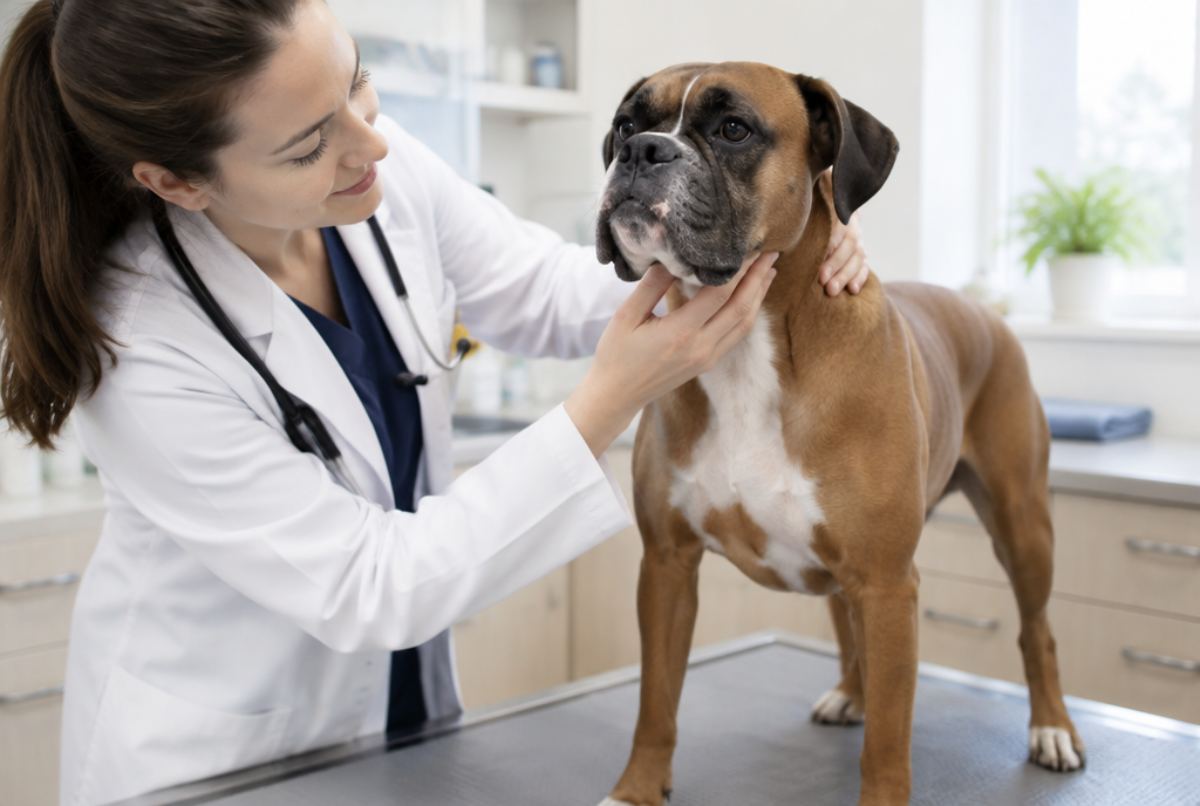
Common early signs include:
- Swollen lymph nodes under the jaw, in front of the shoulders or behind the knees
- Mild weight loss without a clear reason
- Eating less than usual
- Lower energy or more resting than normal
- Drinking and urinating more (a raised calcium level, which Merck reports in 10 to 40 percent of dogs with lymphoma, can cause this)
If your veterinarian suspects lymphoma, a fine-needle aspirate, which collects cells from an enlarged node with a small needle, is often the first step. Acting on these early changes leads to faster answers and a clearer plan. For a wider look at warning signs in older pets, see our guide to recognizing early cancer symptoms in senior dogs and cats.
Late-Stage Signs That Your Dog Is Declining
As lymphoma advances, daily comfort can change more quickly. Merck notes that dogs with a heavy tumor burden or high calcium can develop severe lethargy, weakness, fever, loss of appetite and dehydration. As nodes keep growing, they can press on nearby structures and cause discomfort. The exact signs depend on where the cancer is active, but the overall pattern is a loss of strength, stability and normal routines.
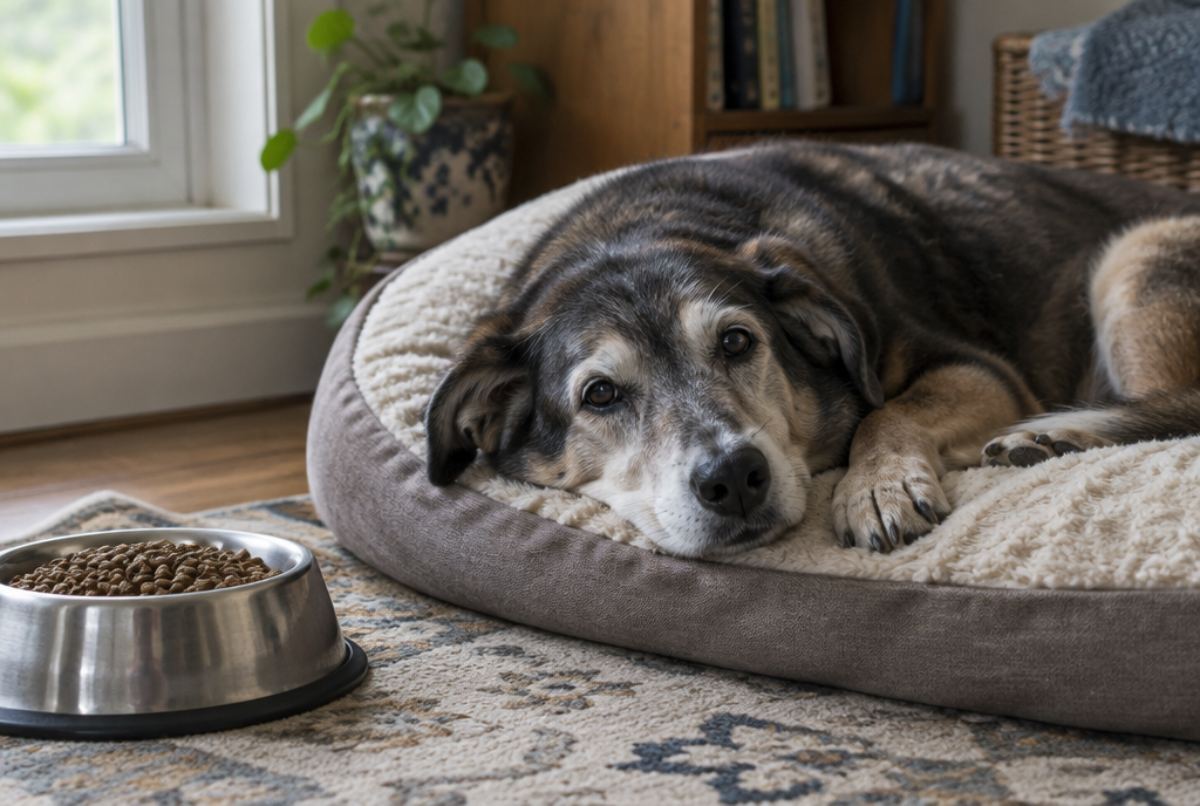
Watch for these late-stage signs:
- Difficulty breathing, heavy panting or using the belly to breathe
- Repeated vomiting, diarrhea or dehydration
- Marked weakness or trouble standing and walking
- Ongoing refusal of food and significant weight loss
- Severe lethargy or little interest in the family
This stage is less about a single symptom and more about quality of life. If your dog can no longer rest comfortably, enjoy basic activities or recover between bad days, you may be reaching an important turning point.
How Is Lymphoma in Dogs Diagnosed and Staged?
Diagnosis usually starts with sampling the affected tissue. A fine-needle aspirate of an enlarged lymph node is common, and some dogs also need a biopsy. Specialized tests such as flow cytometry or PARR (a DNA test on the cells) can confirm the diagnosis and show whether the cancer is B-cell or T-cell.
After diagnosis, staging tests look for lymphoma in other parts of the body and help guide prognosis. The University of Pennsylvania School of Veterinary Medicine lists bloodwork, urine testing, chest X-rays, abdominal ultrasound and sometimes a bone marrow sample.
Types of Lymphoma in Dogs: B-Cell, T-Cell and Others
Not every lymphoma behaves the same way. The most common form is multicentric lymphoma, which shows up as enlarged lymph nodes throughout the body. Cell type matters too: B-cell lymphoma is more common and usually responds better to treatment than T-cell lymphoma, though individual outcomes vary. There are also slow-growing (indolent) forms that can stay quiet for a long time.
Other forms affect the skin, intestines or chest. Skin (cutaneous) lymphoma may look like raised, ulcerated lumps or widespread scaly patches, often near the lips and other places where skin meets mucous membrane. Gastrointestinal lymphoma, which makes up fewer than 10 percent of cases, often causes vomiting, diarrhea and weight loss. Mediastinal lymphoma, in the chest, can cause breathing trouble and swelling of the head, neck and front legs.
| Type or feature | What it usually means |
|---|---|
| Multicentric | Most common form; painless swelling of lymph nodes around the body |
| B-cell | More common; usually more responsive to treatment |
| T-cell | Usually a shorter survival time than B-cell |
| Indolent (low-grade) | Slow-growing; dogs can do well for a long time |
| Cutaneous (skin) | Lumps or scaly patches; may be mistaken for allergy or infection |
| Gastrointestinal | Stomach or intestines; vomiting, diarrhea, weight loss |
| Mediastinal (chest) | Breathing trouble; sometimes high calcium and heavy thirst |
Lymphoma in Dogs Stages: What Each Stage Means
Veterinarians use the World Health Organization (WHO) system to describe how far lymphoma has spread. Staging helps predict survival time and can shape treatment, but it does not decide everything on its own. Some dogs with advanced disease still respond well enough to gain meaningful, comfortable time.
| Stage | What it means |
|---|---|
| Stage I | A single lymph node is affected |
| Stage II | Several lymph nodes in one region |
| Stage III | Lymph nodes throughout the body |
| Stage IV | The liver and/or spleen are involved |
| Stage V | Bone marrow, blood or other organs outside the lymph system are involved |
| Substage a / b | "a" means the dog does not feel sick; "b" means clear signs of illness |
How your dog feels at diagnosis (substage a or b) is one of the most useful clues to how well treatment is likely to work.
What Are the Treatment Options for Dogs with Lymphoma?
Treatment options depend on the type of lymphoma, your dog's overall health and your family's goals. Chemotherapy is the main treatment for most dogs because lymphoma is a whole-body disease. Merck notes that only a small fraction of dogs are cured, so the main goal of treatment is usually good-quality extra time rather than a cure. Radiation or surgery may help in some localized forms.
Not every family chooses the same path, and that is okay. Some dogs receive combination chemotherapy, some take oral steroids alone, and some do best with care focused only on comfort.
Chemotherapy, Prednisone and Comfort-Focused Care
The standard protocol for multicentric lymphoma is CHOP-based chemotherapy, which combines cyclophosphamide, doxorubicin, vincristine and prednisone, usually given in weekly visits over several months. Penn Vet reports that 80 to 90 percent of dogs with multicentric lymphoma reach remission on this kind of protocol, and many continue normal family activities during treatment.
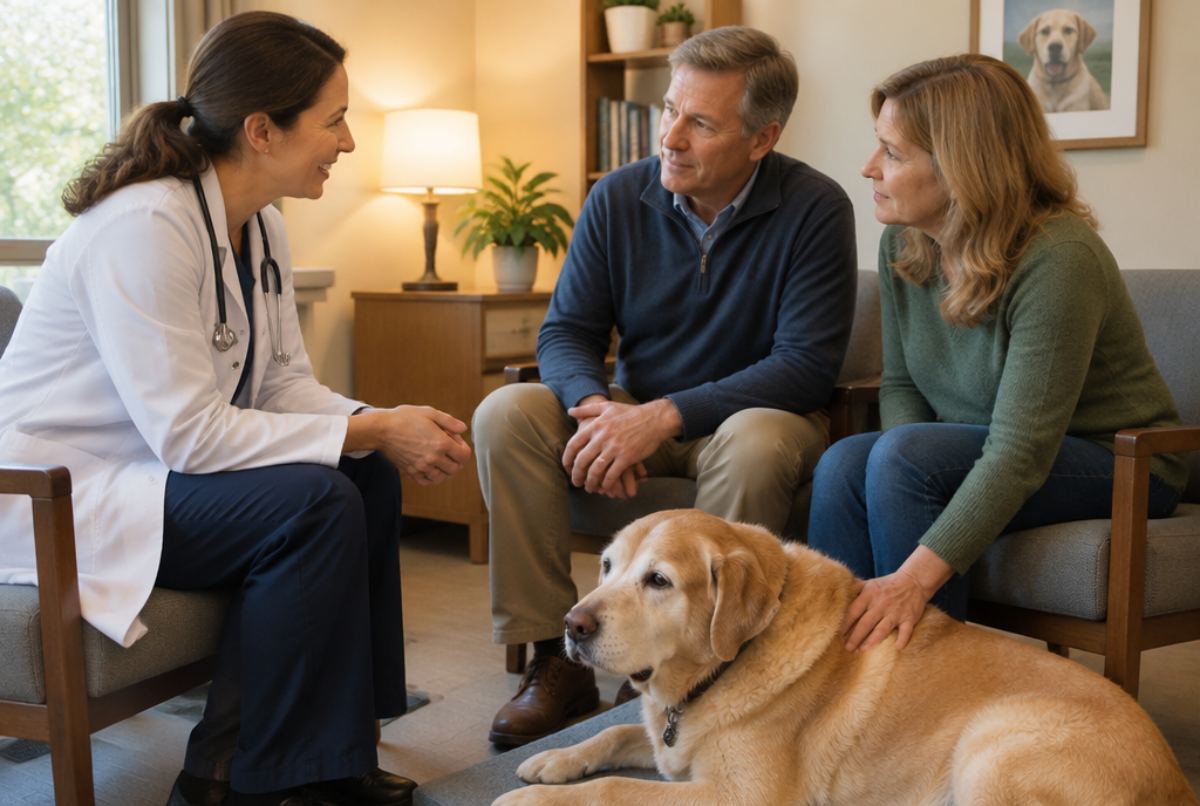
Possible approaches include:
- Multi-drug chemotherapy (CHOP): the longest remissions for most dogs
- Single-drug chemotherapy: doxorubicin alone can bring remission, with a median survival of about 6 to 8 months according to Merck
- Prednisone alone: can improve comfort and bring a short remission, typically 1 to 2 months, but the cancer can become resistant to it
- Comfort-focused care: managing appetite, nausea and rest when the goal is daily ease
Should you put your dog through chemotherapy? That depends on your dog's type of lymphoma, expected response and your quality-of-life goals. Side effects are often milder than people expect. Penn Vet notes that stomach upset usually appears 3 to 5 days after a treatment and is mostly mild and manageable at home, though low white blood cell counts, tiredness and occasionally more serious reactions can happen. Plans can be changed or stopped at any time if the burden becomes too high.
What Is the Life Expectancy of a Dog with Lymphoma?
Lymphoma in dogs life expectancy depends on the type of lymphoma, the cell type, the stage, how sick your dog is at diagnosis and which treatment you choose. The figures below come from the Merck Veterinary Manual and are medians, which means many dogs live shorter or longer.
| Situation | Typical survival |
|---|---|
| No treatment | About 4 to 6 weeks |
| Prednisone alone | Remission typically lasts 1 to 2 months |
| Doxorubicin alone | About 6 to 8 months |
| Multi-drug chemotherapy, T-cell | About 6 to 8 months |
| Multi-drug chemotherapy, B-cell | About 12 months |
| Indolent (slow-growing) lymphoma | Often more than 2 years |
Lymphoma in other parts of the body can be harder to control. Merck notes that widespread intestinal lymphoma often carries a survival time of under 3 months, and skin lymphoma can usually be controlled for less than 3 to 6 months. Most dogs that reach remission eventually relapse, and a second remission is usually shorter than the first.
Still, numbers never tell the whole story. Many families treasure the months of remission because their dog feels well and enjoys normal life, even when a cure is unlikely. Prognosis is best discussed as both time and comfort together.
When Is It Time to Say Goodbye to a Dog with Lymphoma?
It may be time to say goodbye when your dog's bad days clearly outnumber the good ones and treatment or supportive care no longer restores comfort. This decision usually comes down to quality of life, not the diagnosis itself.
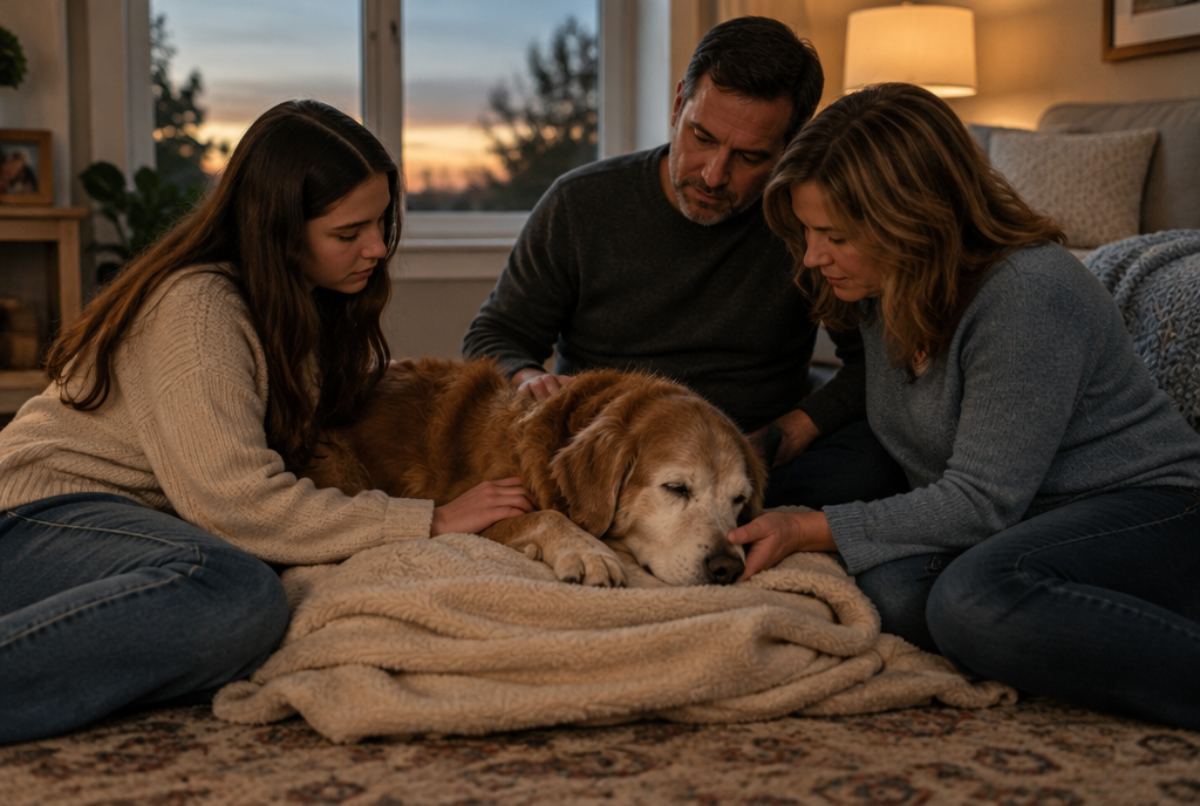
Look at your dog's everyday life. Is your dog eating, resting, moving, breathing and interacting in ways that still feel like your dog? If those basic comforts are slipping and each day feels harder, you may be nearing that point. Our quality-of-life checklist and the two lists below can help you think it through.
The goal is not to win every battle with the disease. It is to make sure your dog's remaining days are good ones.
Quality-of-Life Questions to Ask Each Day
A daily check can make an emotional choice feel a little more grounded. You do not need a perfect chart, just honest observations, ideally written down so you can see patterns over a week.
Ask yourself:
- Is my dog eating enough to stay comfortable and interested in life?
- Can my dog breathe without obvious struggle or panic?
- Is my dog able to get up, walk and rest without major distress?
- Does my dog still enjoy touch, family time or favorite routines?
- Is treatment or supportive care still helping in a visible way?
Patterns matter more than single moments. One difficult afternoon is not always the answer. But if weakness, breathing trouble, vomiting, diarrhea or withdrawal keep returning and recovery is brief, your notes may be telling you something important.
Questions to Ask Your Veterinarian
When you feel unsure, specific questions can bring clarity. Ask your veterinarian to explain the diagnosis in plain words, where the cancer is, and what changes are most likely next.
Helpful questions include:
- What type and stage of lymphoma does my dog have?
- Which treatment fits my dog's condition and our goals?
- What side effects should I expect from chemotherapy or prednisone?
- How will we know if treatment is helping enough?
- Which signs would tell you it is time to shift to comfort-only care?
These questions are not giving up. They protect your dog from unnecessary suffering and protect you from guessing alone. If you would like to talk this through with a veterinarian who focuses on end-of-life care, Honor Pet offers pre-planning and quality-of-life consultations.
What Happens During a Peaceful Euthanasia?
A peaceful euthanasia is meant to prevent further suffering when quality of life can no longer be protected. For dogs with advanced lymphoma, the goal is a calm, gentle passing rather than an emergency filled with fear, pain or breathing distress.
Honor Pet provides compassionate in-home and Comfort Center pet euthanasia in Los Angeles and surrounding areas, with appointments 7 days a week and same-day visits often available. A calming sedative is given first so your dog can relax and fall asleep, and only then is a second medication given that allows them to pass peacefully. Many families value a quiet setting, time to say goodbye and a plan that avoids a rushed trip to an emergency hospital. Our guide to in-home vs. Comfort Center euthanasia can help you choose the right setting.
Planning Ahead and Coping with Grief
Planning ahead is not a sign that you are giving up. It is a way to care well for your dog and for yourself. Families often feel steadier when they know which signs will prompt a call, where they would like the goodbye to happen and what aftercare they would choose, such as gentle water cremation, which uses 90 percent less energy than fire cremation. Our guide on how to prepare for in-home pet euthanasia walks through the practical steps.
For many families, grief starts before the loss. You may be grieving while still giving medications, tracking appetite and checking quality of life each day. Lean on your veterinarian, close family and trusted friends, and know that Honor Pet's pet loss support is there for the days and weeks that follow.
Is your dog with lymphoma struggling?
Our veterinarians can help you weigh the next step with care, at home or at our Comfort Center.
Talk to Honor Pet or call (323) 515-1234
If you would like a lasting keepsake, a clay paw print or ink nose and paw prints can preserve a small part of your dog, and the Honor Pet store also offers urns from $25 to $295 and cremation jewelry that can hold a small amount of ashes or fur.
Frequently Asked Questions
Should I put my dog through chemotherapy for lymphoma?
Chemotherapy can be a good choice for many dogs with lymphoma because most reach remission and feel well for a time. Side effects are usually mild and manageable, and treatment can be adjusted or stopped. The best plan depends on your dog's type of lymphoma, overall health and your family's goals, so talk it through with your veterinarian.
How long can a dog live with lymphoma without treatment?
Without treatment, survival is usually short. The Merck Veterinary Manual reports that untreated dogs typically die or are euthanized within about 4 to 6 weeks. Prednisone alone may improve comfort for a short time, usually 1 to 2 months, while combination chemotherapy offers the longest median survival.
Is lymphoma in dogs painful?
The swollen lymph nodes of early lymphoma are usually not painful. Advanced disease can cause real distress, though, through weakness, nausea, vomiting, diarrhea, breathing trouble and enlarged nodes pressing on nearby tissues. Comfort-focused care becomes important when these signs start limiting your dog's daily comfort.
Can lymphoma in dogs be cured?
A cure is rare. Chemotherapy often brings complete remission, but remission is not the same as a cure, and most dogs relapse later. Some dogs reach a second remission with rescue treatment, though it is usually shorter than the first. Slow-growing indolent forms can be controlled for years.
What are the signs a dog with lymphoma is dying?
Signs that a dog with lymphoma is dying include severe weakness, refusing food, repeated vomiting or diarrhea, dehydration, labored breathing, withdrawal from the family and being unable to rest comfortably. When these changes are ongoing and do not improve with treatment, quality of life is usually poor and it is time to plan a peaceful goodbye.
How much does pet euthanasia cost with Honor Pet?
Honor Pet's euthanasia is $300 at our Comfort Center and $550 for an in-home visit. Aftercare is priced by weight: communal water cremation is $180 (under 20 lb), $205 (20 to 80 lb) or $232 (over 80 lb), and individual water cremation is $349, $399 or $449. Call (323) 515-1234 to talk through your options.