
Introduction
Pet end-of-life care is the medical and emotional support a pet and family receive from a serious diagnosis through the goodbye and aftercare. A comfort center gives that care a dedicated home: a quiet, private, home-like space where veterinarians can guide quality-of-life decisions, provide a gentle euthanasia and handle aftercare, without the rush of a busy clinic.
Key Takeaways
- Comfort centers support pet end-of-life care with a focus on your pet's comfort, dignity and daily quality of life.
- They bring together pain management, quality-of-life planning, humane euthanasia, aftercare and emotional support in one calm setting.
- A comfort center is a place; in-home euthanasia is a location choice; hospice and palliative care are care models. Many families use more than one.
- Warning signs such as trouble breathing, ongoing pain, not eating or drinking, being unable to stand and repeated crises are a cue to talk to your veterinarian.
- A quality-of-life scale helps you track good and bad days so decisions feel less rushed.
- Aftercare can include water cremation and memorial keepsakes, and grief support is available for the days that follow.
In veterinary medicine, end-of-life care is about more than one final appointment. For a pet owner, it often includes comfort care, honest guidance and support through one of the hardest parts of loving a pet. A comfort center can help you understand your options, what your pet may be feeling and how to make decisions that protect comfort and reduce suffering. That support can make a difficult time feel clearer, calmer and more compassionate.
What Are Comfort Centers and How Do They Support Pet End-of-Life Care?
Comfort centers are dedicated spaces designed to support end-of-life care in a quiet, private, less clinical way. They sit in the gap between a busy general veterinary clinic and in-home euthanasia: you get the medical expertise of a veterinary team in a setting that feels much more like a living room than an exam room. The goal is simple: protect your pet's comfort while giving you and your family room, guidance and emotional support. For pets with advanced illness or a terminal disease, that kind of setting can reduce stress and make hard moments feel more peaceful.
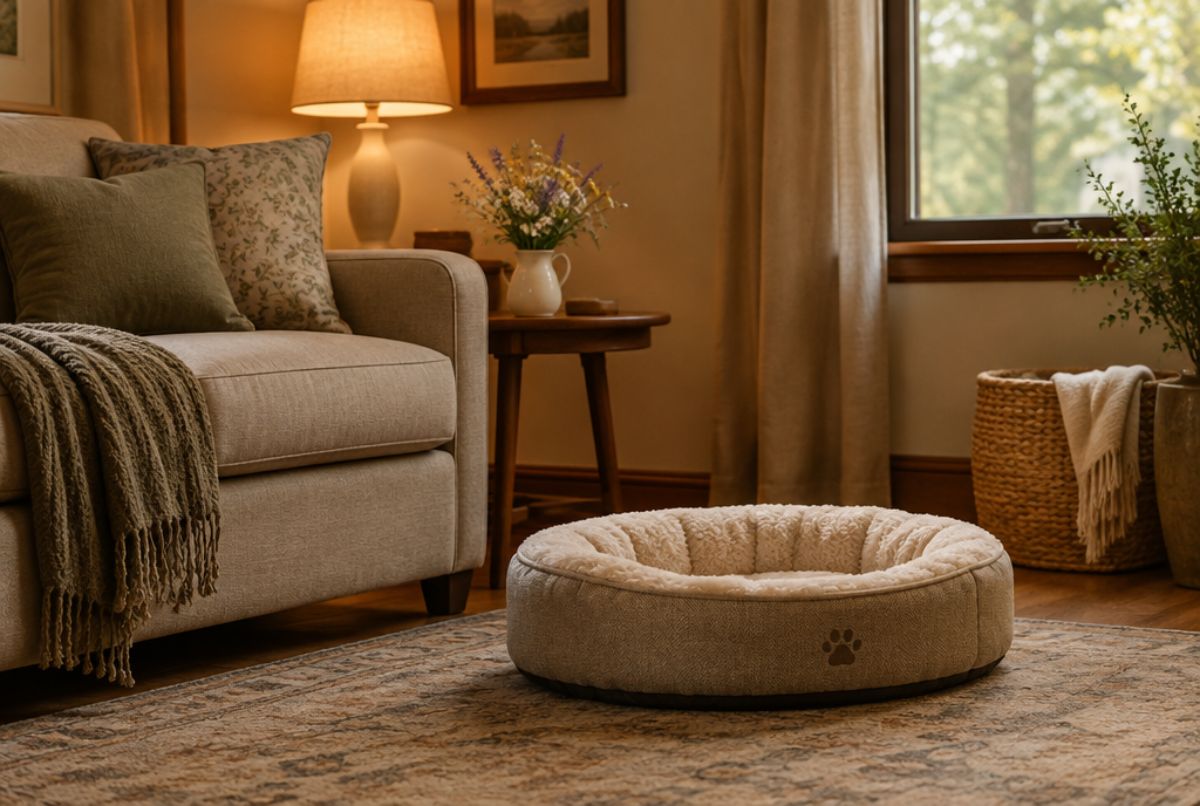
Just as important, comfort centers support the full plan around your pet, not only the last step. That can include palliative care, pain management, quality-of-life discussions and practical ways to improve daily comfort. You may be guided to make home changes such as easier access to food and water, better bedding, non-slip flooring, litter box changes, a comfortable room temperature, hygiene help and mobility assistance. The focus stays on your pet's needs and on preserving as much good time together as possible.
A comfort center built only for end-of-life care also changes the pace. Instead of fitting a goodbye between routine appointments, the team focuses on these moments alone, so families can take the time they need.
Comfort Center vs. In-Home Euthanasia, Hospice and Palliative Care
These terms are related, but they are not the same. Palliative care usually begins earlier in the disease process. It focuses on symptom relief and comfort when curing the disease is no longer the main goal. Veterinary hospice is a broader approach that, as the American Animal Hospital Association (AAHA) describes it, guides care "from the time of a terminal diagnosis through death," including support for caregivers, quality-of-life review and planning for humane euthanasia or, in some cases under veterinary guidance, a hospice-supported natural death.
A comfort center is a place. In-home euthanasia is a location choice. Hospice and palliative care are care models. Your pet's condition, your wishes and the treatment plan all help shape the best option.
| Option | Main purpose | Best fit for |
|---|---|---|
| Comfort center | A quiet, supported setting for end-of-life visits and aftercare | Families who want privacy, structure and on-site support |
| In-home euthanasia | A humane euthanasia in familiar surroundings | Pets who are calmer at home, or families who want to say goodbye at home |
| Palliative care | Symptom control, often earlier in a serious illness | Pets who need pain relief and comfort while still living with disease |
| Veterinary hospice | Ongoing end-of-life support from a terminal diagnosis onward | Families who need guidance through decline, caregiving and pet loss |
Palliative care can run alongside an active symptom-management plan, while hospice care usually reflects a clearer end-of-life path. Both rely on veterinary professionals to assess your pet's quality of life, signs of suffering and realistic goals. If you are weighing the two locations for a goodbye, our guide to in-home vs. comfort center pet euthanasia walks through the differences in more detail.
How to Know When Your Pet Needs End-of-Life Care: Signs and Quality-of-Life Scales
Many families ask the same question: how do I know when it is time? End-of-life care becomes worth discussing when a pet has a terminal disease, advanced illness, repeated crises or a steady decline in comfort and function. Warning signs can include difficulty breathing, persistent pain, trouble eating or drinking, inability to stand or walk well, withdrawal from family or surroundings, and worsening comfort despite treatment. End-stage kidney or heart failure, debilitating arthritis and chronic disabilities such as being unable to walk are examples AAHA lists where hospice or palliative support may help.
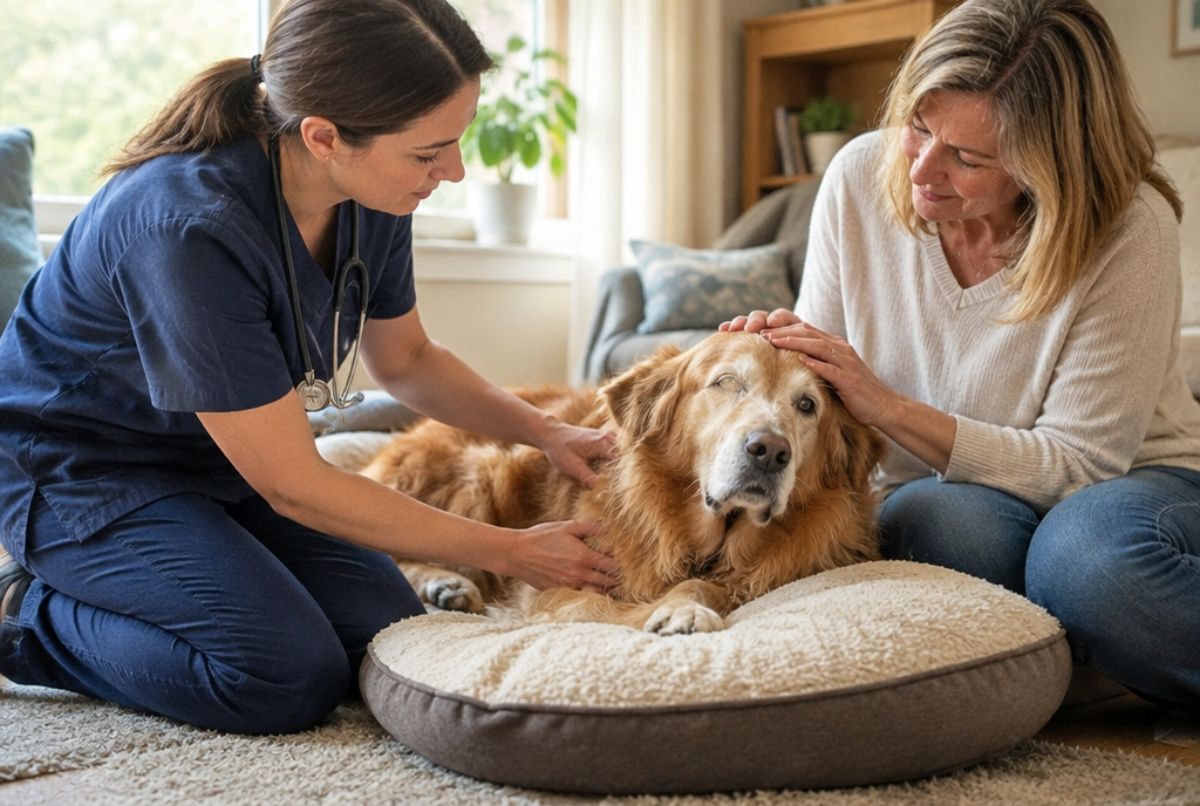
Pets also hide pain well. The ASPCA notes that dogs and cats may not show the outward signs we usually link with pain, and may keep eating and drinking even when they hurt. That is why an outside view from a veterinarian matters.
Because emotions can cloud the picture, veterinarians often suggest a quality-of-life scale. It is a more objective way to track day-to-day changes at home and bring clear notes back to your veterinary team. The scale is meant to guide decisions, not replace them. It looks at pain, appetite, hydration, breathing, mobility, hygiene and interest in surroundings and in time with loved ones. Blood work and other tests also matter, because they may show decline that is harder to see at home. Our quality of life checklist for pets near end of life is a simple place to start.
When you use a quality-of-life scale well, patterns become easier to spot. One hard day may not mean a final decision is needed. A series of hard days often tells a clearer story. If the bad moments are outweighing the good, if the disease is progressing despite comfort efforts, or if your pet's comfort cannot be protected reliably, it may be time to talk about hospice or euthanasia.
The table below shows common signs and what they can mean in practical decision making.
| Sign you may notice | Why it matters |
|---|---|
| Trouble breathing or heavy panting | May signal distress, pain or poor oxygen levels |
| Ongoing pain or restlessness | Suggests comfort is not well controlled |
| Poor appetite or refusing to drink | Can point to decline, nausea, dehydration or weakness |
| Falling, unable to rise or severe weakness | Limits dignity, movement and basic body care |
| Repeated accidents or poor hygiene | Can affect skin health, comfort and daily wellbeing |
| Withdrawal from people or surroundings | Often reflects discomfort, fatigue or emotional shutdown |
| Repeated emergency visits or crises | Shows the condition may be progressing beyond what home care can manage |
It also helps to ask direct questions during a consultation: Is my pet suffering? How do you know? What can be done to relieve it? Are there home changes that would help? What does the next stage of the disease look like? These conversations help you move from fear to a more grounded plan.
End-of-life care is not "giving up." In many cases, it is the most thoughtful way to protect the quality of life that remains.
If your pet is in their golden years or living with a terminal diagnosis, for some pets that means a period of hospice and comfort care. For others, humane euthanasia becomes the kindest choice when suffering can no longer be managed. The key is staying honest about your pet's experience, not just your hopes.
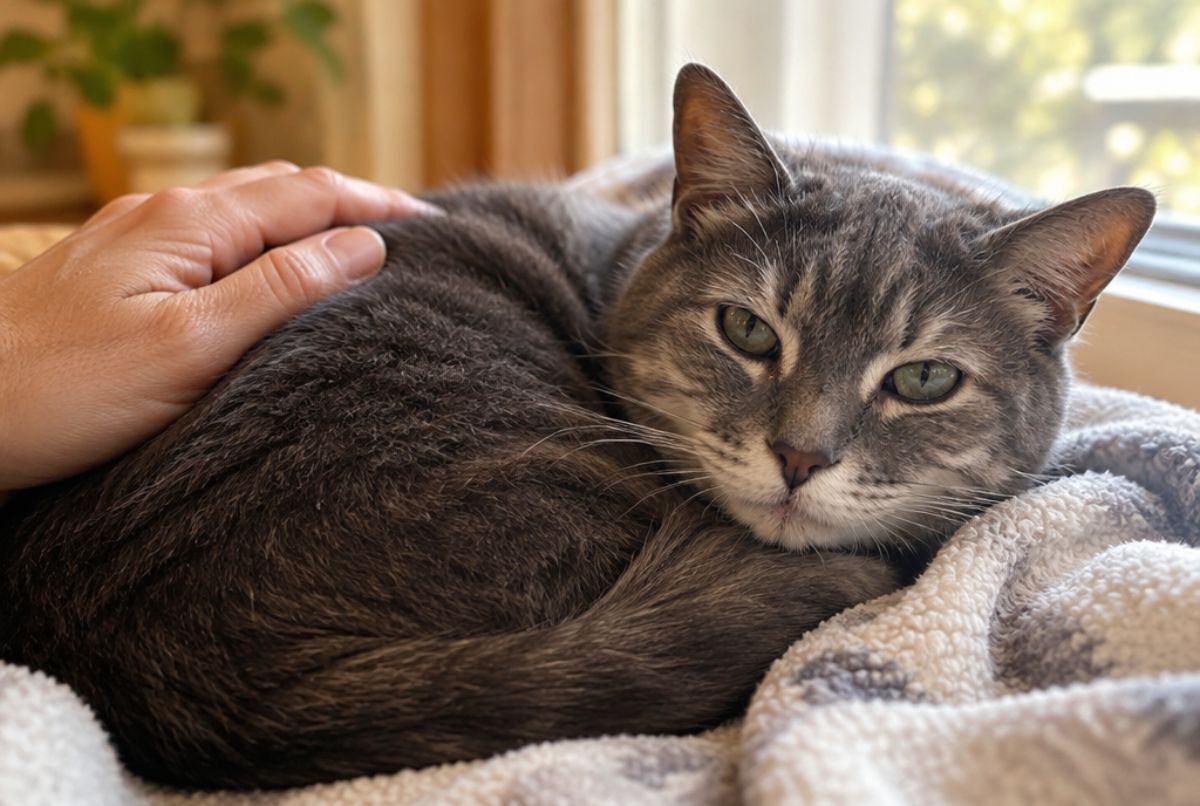
Comfort-focused support can also include practical care at home. Your veterinarian may recommend a warm, padded resting spot, help with mobility using a sling or towel, easier access to food and water, changes to slippery floors, litter box adjustments, help with incontinence and a home temperature that feels comfortable. Some pets may also benefit from massage, acupuncture, therapeutic laser, physical rehabilitation or carefully selected medications. There is no standard palliative care plan for every pet. The plan should match your pet's needs and the realities of daily life for the people providing care.
Inside Honor Pet's Comfort Center in Los Angeles
Honor Pet's Comfort Center in Downtown Los Angeles (717 Mateo St) was built around the space our team wished had existed when we said goodbye to our own pets. Each private room is set up like a living room, with soft lighting, comfortable seating and a soft bed for your pet, so you can sit close and take the time you need. For a closer look, see inside a pet comfort center: what families can expect.
What sets it apart is complete care under one roof:
- No transfers between providers. One dedicated team cares for your pet from the goodbye through gentle water cremation, so your pet stays in our care.
- A gentle, two-step process. A calming sedative helps your pet relax and fall asleep first; only then is a second medication given. You can hold your pet, talk to them or simply sit quietly.
- Room for personal touches. Bring a favorite blanket, toy or treat. Families can also build a wildflower bouquet, write a goodbye letter, create art or raise a champagne toast.
- Family welcome. Family members, including other pets, are welcome to be part of the goodbye.
- Support before and after. Pre-planning and quality-of-life consultations with no obligation to decide, plus free pet loss support groups and private sessions.
Appointments are offered 7 days a week, and same-day visits are often available. If your pet would be calmer at home, our veterinarians also offer in-home euthanasia throughout Los Angeles and surrounding areas.
| Honor Pet service | Price |
|---|---|
| Euthanasia at the Comfort Center | $300 |
| In-home euthanasia | $550 |
| Communal water cremation | $180 (under 20 lb) / $205 (20–80 lb) / $232 (over 80 lb) |
| Individual water cremation | $349 (under 20 lb) / $399 (20–80 lb) / $449 (over 80 lb) |
With individual water cremation, your pet's ashes come home in an Honor Box that includes a scatter tube, a digital nose print, forget-me-not seeds, a fur clipping in a glass vial, a beeswax candle and a certificate, and a tree is planted in your pet's honor. Water cremation uses about 90% less energy than fire cremation.
Conclusion
Comfort centers play an important role in pet end-of-life care. They offer a calm setting where decisions can be made thoughtfully, balancing your pet's needs with the emotional weight your family carries. Knowing the signs that your pet may need this kind of care helps you act for their comfort and dignity rather than in a crisis. If you are unsure where your pet stands, a quality-of-life consultation is a good first step. You do not have to go through this alone.
Not sure if it's time?
Our end-of-life veterinarians can talk through your pet's quality of life and your options, at home or at our Comfort Center.
Book a Consultation or call (323) 515-1234
If you would like a lasting keepsake, the Honor Pet store offers clay and ink paw prints, fur clippings and urns, each personalized by hand. A clay paw print can be made with care during aftercare.
Frequently Asked Questions
What happens during a pet euthanasia appointment at a comfort center?
A humane euthanasia appointment is calm and private. The veterinary team explains each step and gives you time with your pet. At Honor Pet, a calming sedative helps your pet relax and fall asleep first, and then a second medication allows them to pass peacefully. You can hold your pet, talk to them or sit quietly.
How do comfort centers help families and pets through the euthanasia process?
Comfort centers reduce stress by creating a quiet, home-like space focused on your pet's comfort. Veterinarians guide decisions, answer questions and support family members before, during and after the visit. That mix of planning and emotional support can make a very painful day feel more manageable.
What options are available for aftercare such as water cremation?
Aftercare options include water cremation (individual, with ashes returned, or communal), burial where local laws allow, and memorial keepsakes such as paw prints and fur clippings. At Honor Pet, individual water cremation returns your pet's ashes in an Honor Box, and communal ashes are scattered on a private nature reserve in Temecula, California.
Is a comfort center or in-home euthanasia better for my pet?
It depends on your pet's condition and what gives them the most comfort with the least stress. Some pets settle best at home, so in-home euthanasia may feel right. Others do well in a quiet comfort center room. Your veterinarian can help you weigh comfort, travel and your pet's temperament.
Can my family and other pets be present for the goodbye?
In many cases, yes. Family members often find comfort in being present, and some families also want other pets nearby. Honor Pet's Comfort Center welcomes family members, including other pets. The team can help you plan a goodbye that feels gentle and respectful.
When should I book a pre-planning or quality-of-life consultation?
Book early, not only when a crisis happens. If your pet's condition is changing, if you are unsure about their comfort, or if you want to review options before an emergency, a consultation helps. Quality-of-life scales and honest input from your veterinary team can make later decisions less rushed and less painful.