
Introduction
Yes, adopting a senior dog is worth it for many families. An older dog is often calmer, already house-trained and easier to read than a puppy, and you can see their personality before you bring them home. The trade-offs are real (more vet care and less time together), but with clear expectations and a little planning, a senior dog can be one of the most loving companions you will ever have.
Key Takeaways
- Senior dogs are often the last to be adopted from shelters, even though many are calm, loving and already used to home life.
- Most older dogs are house-trained and walk on a leash, and their personality is already known, so it is easier to find the right match.
- Senior dogs usually end up in shelters because of their owner's illness, job loss or death, not because of a problem with the dog.
- Plan for more vet care: the American Animal Hospital Association (AAHA) recommends exams every six months for dogs older than 7.
- Give your new dog time. Many adopters use the 3-3-3 rule: about 3 days to decompress, 3 weeks to learn the routine and 3 months to feel at home.
- November is Adopt a Senior Pet Month, a good time to ask your local shelter about the older dogs waiting for a home.
If you are deciding whether to adopt a senior dog, this guide covers the benefits of senior dog adoption, the honest pros and cons, what care and costs to plan for, how the adoption process works, and how to help an older dog settle in and enjoy their golden years with you.
Why Adopt a Senior Dog?
For many households, it is a good idea to adopt a senior dog instead of a younger dog. Older dogs are often calmer, more settled and easier to read. Their personalities are usually clear, which helps you decide if they are the right match for your life.
Just as important, adopting a senior dog gives a dog a second chance during the golden years. The ASPCA notes that senior pets are often the last to be adopted from shelters, which puts them at greater risk. That is why the ASPCA marks November as Adopt a Senior Pet Month.
It also helps to know why older dogs end up in shelters in the first place. According to MSPCA-Angell, people usually give up a senior pet because of their own illness, a job loss or a death in the family, not because the dog has a problem. Many of these dogs lived for years in a loving home and simply lost it through no fault of their own.
What Are the Benefits of Adopting a Senior Dog?
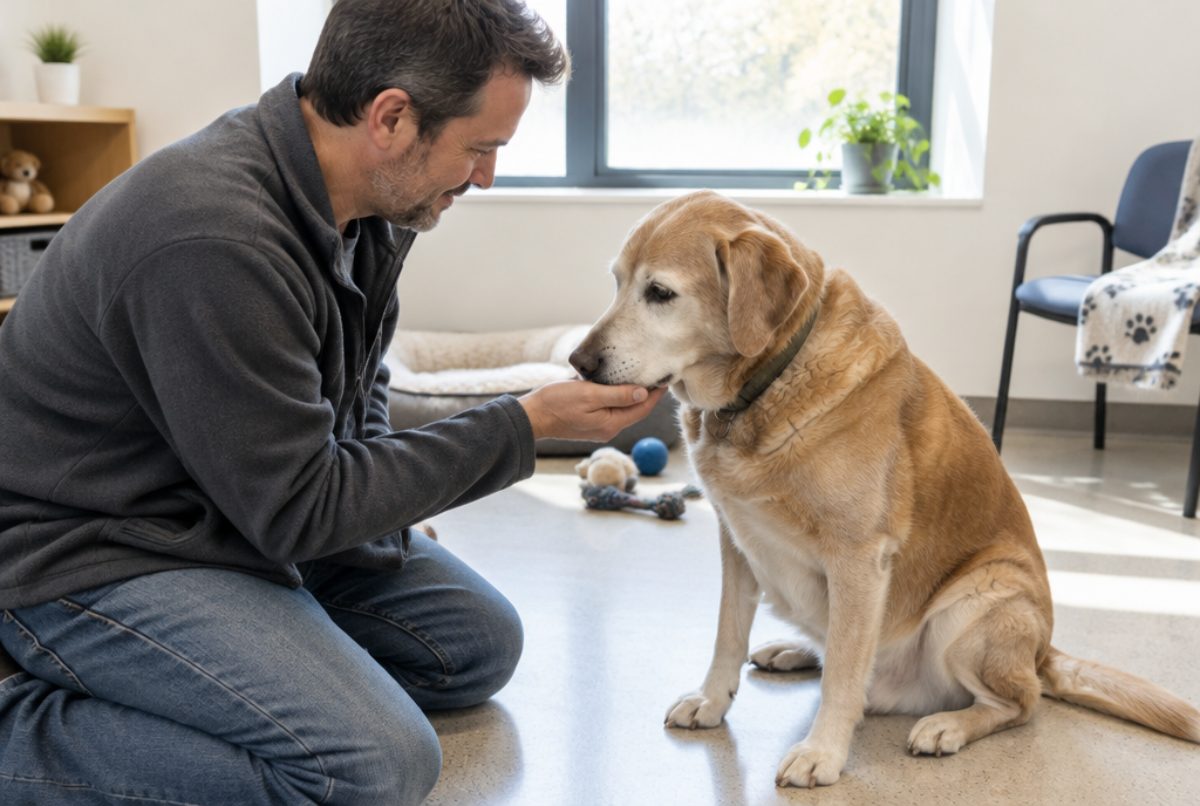
Senior dog adoption comes with numerous advantages, especially if you want a pet who fits easily into daily life. MSPCA-Angell says nearly all senior dogs are housebroken and most can already walk on a leash. Many have lived in homes before, so they know basic routines and household life. That can mean fewer surprises for you.
Their lower energy levels also appeal to people who prefer a steadier pace. A senior dog may still enjoy walks, sniffing outdoors, car rides, toys and couch time, but without the nonstop intensity of a puppy.
Common benefits include:
- What you see is what you get: their size, coat, energy level and personality are already set, so you can choose a dog who truly fits your home.
- Less training: many already know house rules, basic cues and leash walking.
- Faster settling: older dogs usually adjust to home life more easily than puppies.
- Calmer companionship: no chewing phase, fewer late-night potty trips and more quiet time together.
- Great walking partners: active senior dogs still love a daily stroll and a good sniff around the neighborhood.
- A meaningful second chance: you give a deserving dog a safe, loving home for the rest of their life.
"You may have fewer years with a senior dog, but they are often some of the easiest, sweetest years of a dog's life to share."
What Are the Common Myths About Older Dogs?
A few old ideas still keep good dogs waiting in shelters. Here is what the evidence and shelter experience actually say:
| Myth | Reality |
|---|---|
| "Older dogs in shelters must have behavior problems." | They are usually surrendered because of an owner's illness, job loss or death, not the dog's behavior. |
| "You can't teach an old dog new tricks." | Senior dogs can learn new cues with gentle, reward-based training, and most already know the basics. |
| "Only old dogs have big vet bills." | Dogs of any age can get sick or injured. Seniors need more routine checks, but costs can be planned for. |
| "Senior dogs are boring." | Many older dogs are still playful and curious. They just enjoy it at a gentler pace. |
Adopting a Senior Dog: Pros and Cons
Senior dogs often fit well into homes that want lower demands and a gentler pace. Compared with a younger dog, the key differences include a more settled nature, a clearer temperament and none of the challenges of puppy behavior. Many adopters find that the calmer rhythm is exactly what they wanted.
Still, realistic expectations matter. You may have less time with your dog, and age-related care can become part of the journey sooner. That emotional truth is hard, but it does not erase the value of the relationship.
| Pros of adopting a senior dog | Cons (and how to handle them) |
|---|---|
| Calm, gentle temperament and loving companionship | More vet visits and screening tests: budget for them from day one |
| Often house-trained and leash-trained | Possible joint, dental or mobility changes: simple home changes help |
| Personality, size and energy level are already known | Stress or separation anxiety after losing their home: patience and routine help |
| Fits well with quieter homes, older adults and busy families | Less time together: plan ahead so their later years stay comfortable |
For many families, the pros are deeply meaningful, and every con on the list can be planned for.
What Should You Know Before You Adopt a Senior Dog?
Before you bring home a senior dog, know that an adjustment period is normal. Even a gentle dog may feel unsure after moving from a familiar home to a shelter and then into a new home. MSPCA-Angell notes that this chain of moves can cause separation anxiety in some dogs. That does not mean the dog is a poor fit. It means change takes time.
You should also ask about medical history, health issues and special needs as early as possible. Some older dogs need help with mobility, comfort or routine care. It also helps to think ahead about household rules, your schedule, stairs in your home and how much time you can spend at home in the first weeks.
What counts as "senior" depends on the dog. AAHA's canine life stage guidelines define the senior stage as the last 25% of a dog's estimated lifespan, which varies by breed and size. Large and giant breeds usually reach it sooner than small dogs. Our guide to how long dogs live shows typical lifespans by size and breed.
What Health Care and Costs Should You Plan For?
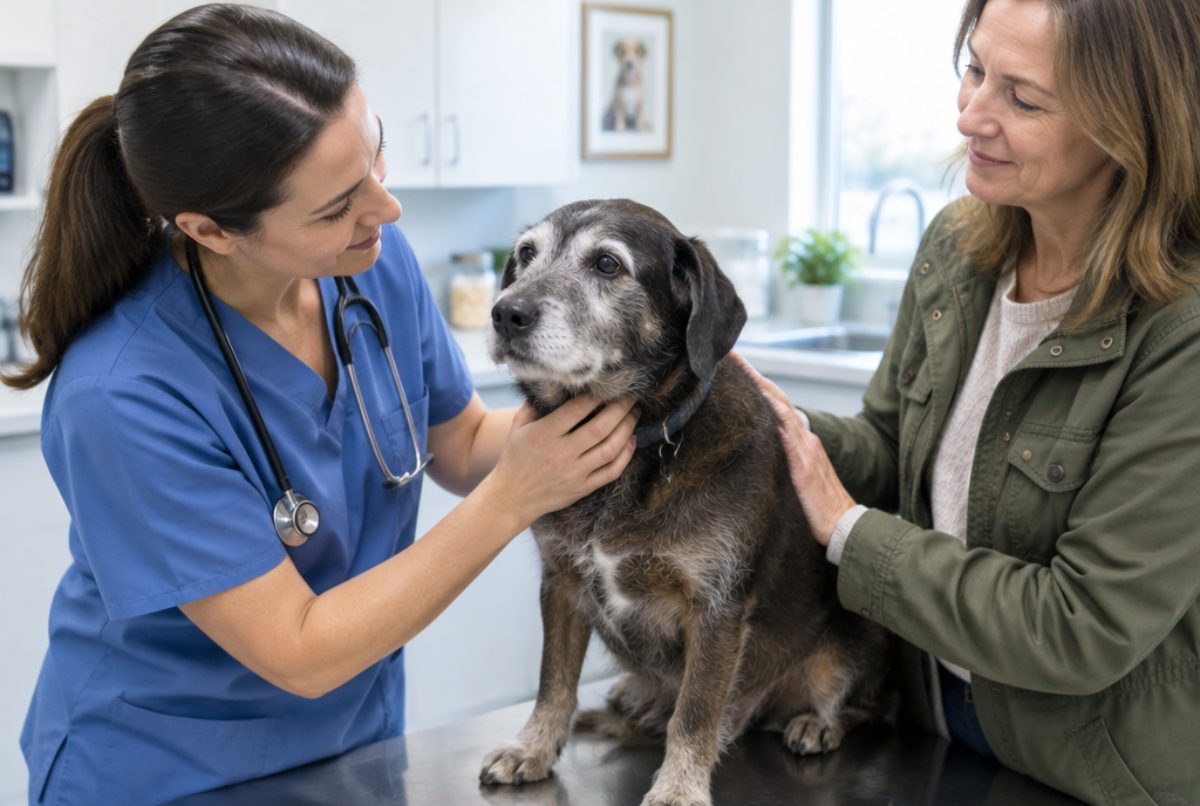
Senior dogs can have more medical needs, so plan for veterinary care from the start. A visit soon after adoption helps identify underlying concerns early and gives you a clearer picture of long-term care.
The American Animal Hospital Association recommends that dogs older than 7 see their veterinarian every six months, even if they seem healthy. Senior screening often includes a complete blood count, a blood chemistry panel, a urinalysis, thyroid testing and a blood pressure check, along with a physical exam, dental check, diet review and behavior questions.
Some dogs also need support for arthritis or mobility changes, and dental care becomes more important with age. Your veterinarian can discuss a maintenance plan, including supplements when appropriate. Preventive medications for fleas, ticks and heartworm stay important year-round.
| Care area | What to plan for |
|---|---|
| First vet visit | A full check soon after adoption, plus copies of any shelter records |
| Ongoing checkups | Exams every six months, with bloodwork, urinalysis and blood pressure checks |
| Common senior concerns | Joint health, mobility, dental disease, vision and hearing changes |
| Preventive care | Flea, tick and heartworm protection all year |
| Home comfort | A supportive bed, non-slip rugs, ramps or steps if needed |
| Budget reality | Routine costs plus a cushion for urgent care or long-term management |
These are not reasons to avoid adoption. They are reasons to prepare well.
How Does Senior Dog Adoption Work, Step by Step?
The process usually starts with looking for adoptable dogs through local shelters or rescues, then speaking with staff about temperament, history and what kind of home the dog needs. If you want a specific breed, breed-focused rescues may also have a senior companion available. Some rescues focus only on older dogs.
- Be honest about your lifestyle. Think about your activity level, your home (stairs, yard, other pets) and your budget for vet care.
- Ask specifically for senior dogs. Older dogs can be overlooked on websites and in kennels, so tell staff you are open to them.
- Meet the dog, ideally more than once. Shelter teams can help you compare personality, energy and home experience. MSPCA-Angell suggests bringing your current dog to the shelter for an introduction, but not your cat.
- Review records and ask questions. Ask for medical records, any known conditions and what medication the dog takes.
- Prepare your home before pickup day. Set up a quiet resting spot, food and water bowls, a leash and a non-slip path to the door.
The focus is finding the right match, not rushing. Asking smart questions makes that step much easier.
What Questions Should You Ask the Shelter or Rescue?
Good questions help you avoid guesswork and build a smoother start. Shelter and rescue staff often know a great deal about a dog's behavior in the kennel, how they respond to people and how well they settle. You do not need a perfect dog. You need a perfect match for your household, pace and expectations.
Useful questions include:
- Why was the dog surrendered, and has the dog lived in a home before?
- What medical history is known, and is the dog on any medication?
- Has the dog had a recent vet exam, bloodwork or dental check?
- How does the dog do with handling, walks, car rides and time alone?
- How does the dog get along with other dogs, cats or children?
- Are there mobility issues or other special care needs?
- Does the shelter offer reduced fees or a foster-to-adopt trial for seniors?
Those answers can put you and your new dog on the right foot.
How Can You Help Your New Senior Dog Adjust at Home?
The best way to support a positive transition is to slow things down. A senior dog may be leaving the only world they knew, so the adjustment period can include stress, clinginess or uncertainty. Patience matters more than speed in those first days and weeks.
Many shelters use the 3-3-3 rule to describe what to expect. The Humane Society of the Pikes Peak Region explains it like this:
| Time at home | What you may see and how to help |
|---|---|
| First 3 days | Your dog may seem shy, nervous or unsure. Give space and limit contact with other pets and visitors. |
| First 3 weeks | Your dog starts learning the routine. Keep it consistent, begin gentle introductions and reward calm behavior. |
| First 3 months | Your dog builds confidence and starts to feel at home. Slowly add new experiences and regular play and exercise. |
Keep life quiet, clear and consistent. Let your new family member learn the layout of the house, your routine and what safety feels like in a loving home. If you already have pets, MSPCA-Angell recommends keeping them in separate spaces and feeding them apart at first, then introducing them gradually.
Tip: Keep a simple notebook for the first month: what your dog ate, how they slept, how far they walked and anything that seemed to worry them. It helps you spot what makes them comfortable, and it gives your vet useful details at the first checkup.
How Do You Make Your Home Senior-Friendly?
A senior-friendly home is simple, safe and easy to navigate. Older dogs may have changes in joint health, eyesight or confidence, so small adjustments can reduce stress and prevent slips. Think comfort first, then routine, then access.
It also helps to keep household rules clear from day one. You do not need intensive training. Gentle training, repeated cues and positive reinforcement usually work better. Many older dogs already know a lot, but they still need time to learn your habits.
Helpful setup ideas include:
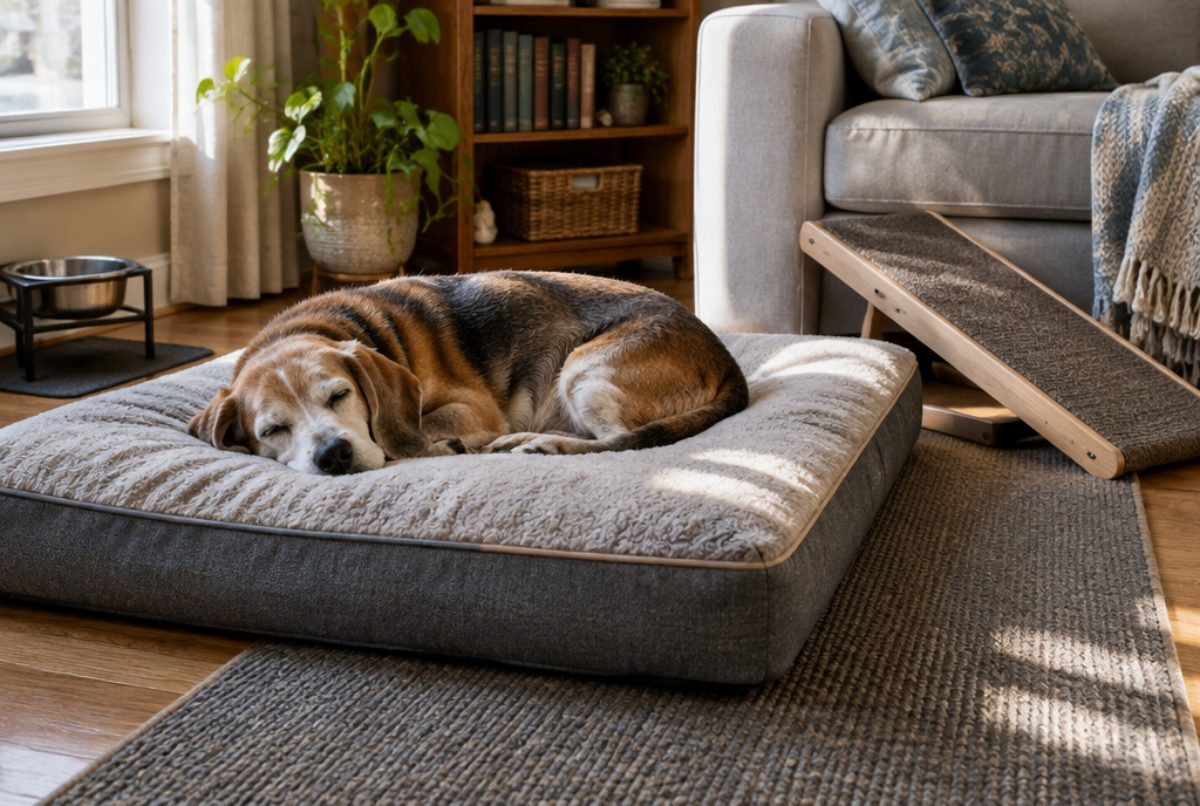
- Put rugs or runners on slippery floors for traction.
- Offer a supportive, cushioned bed in a quiet area away from foot traffic.
- Use ramps or dog steps for sofas, beds and the car if mobility is limited.
- Block unsafe stairs with gates.
- Raise food and water bowls if bending down seems hard.
- Plan frequent potty breaks and calm, shorter walks.
For more ideas, see our guide on how to make your home senior pet-friendly. These changes support comfort, dignity and a smoother start.
Planning Ahead for Your Senior Dog's Golden Years
Caring well for a senior dog means planning ahead instead of waiting for problems to grow. During the golden years, early detection can make a real difference. Regular veterinary checkups help spot changes sooner and guide treatment or comfort plans before your dog struggles more than necessary.
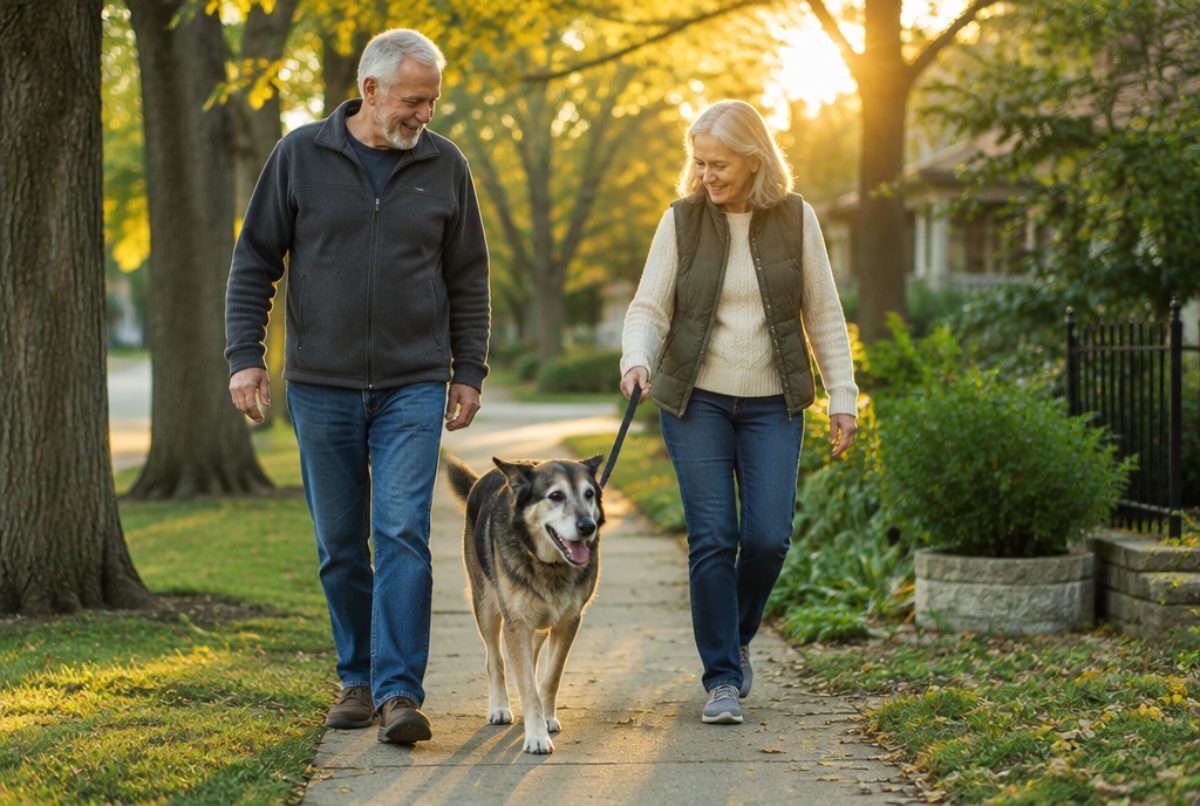
Daily habits matter too. Walks remain important, even if they are shorter. MSPCA-Angell points out that sniffing is especially valuable for older dogs, so let them take their time on walks. Puzzle toys and short training games help as well. Our list of mental stimulation activities for senior dogs is a good place to start.
At home, keep routines steady and watch for subtle changes in comfort, appetite, mobility or behavior. If your dog starts to have trouble getting up, our guide on supporting senior dogs with mobility loss can help. Over time, a simple quality of life checklist makes it easier to see the bigger picture.
Part of the choice to adopt a senior dog is accepting that your time together may be shorter. Thinking about it early is not sad. It is caring. Honor Pet offers one-hour virtual quality of life consultations with a licensed veterinarian, so you can talk through your dog's comfort and your options long before any decision is urgent. When the time does come, our team provides gentle in-home euthanasia throughout Los Angeles and surrounding areas, or a peaceful goodbye at our Comfort Center.
If you are thinking about adopting after losing a dog of your own, there is no right timeline. Our guide on welcoming a new pet after a loss may help you decide when you are ready.
Caring for an older dog?
Our veterinarians can help you understand your senior dog's quality of life and plan ahead with care, at home or at our Comfort Center.
Talk to Honor Pet or call (323) 515-1234
When the time comes, small keepsakes can hold on to the bond you built. Honor Pet's clay paw print ($40) and ink nose and paw prints ($55) keep a lasting, touchable memory, and a shadow box frame (from $65) holds a paw print together with a favorite photo. You can see every keepsake in the Honor Pet memorial store.
Frequently Asked Questions
Are there rescues or resources dedicated to senior dogs?
Yes. Some rescues focus only on older dogs, and many local shelters and breed-specific rescues regularly list adoptable dogs in their senior years. Ask staff directly about seniors, because older dogs are often overlooked. November is Adopt a Senior Pet Month, when many shelters put extra attention on their older animals.
Is adopting a senior dog a good idea?
For many people, yes. Senior dogs often have loving personalities, calmer habits and known temperaments, and most are already house-trained. The key is going in with realistic expectations about vet care and time together. If you are ready for that, a senior dog can be a wonderful companion who truly benefits from a second chance.
How can I find senior dogs available for adoption near me?
Start with your local shelter or rescue and ask specifically about dogs in the senior age range. You can also search adoption listings by age and look into breed-specific or senior-only rescues. A direct conversation with staff is the best way to find the right match.
How long does it take a senior dog to adjust to a new home?
It varies, but many shelters use the 3-3-3 rule as a guide: about 3 days for a new dog to decompress, 3 weeks to learn the routine and 3 months to feel truly at home. A quiet house, a steady routine, patient handling and positive reinforcement all help an older dog settle in.
At what age is a dog considered a senior?
It depends on the dog's size and breed. AAHA defines a senior dog as one in the last 25% of its estimated lifespan, so large and giant breeds become seniors sooner than small dogs. As a general rule, AAHA recommends twice-yearly vet exams for dogs older than 7.
Are adoption fees lower for senior dogs?
They can be, but fee policies vary by shelter and rescue, and some offer reduced fees for older pets. Even with a lower fee, plan for the full cost of care: a first vet visit, twice-yearly checkups, screening tests and possible treatment for age-related conditions.