
Introduction
The final stages of Cushing's disease in dogs usually bring marked muscle weakness, thin skin with repeated infections, and serious complications such as blood clots, diabetes or neurological signs from a growing pituitary tumor. It may be time to say goodbye when these problems keep your dog from having more good days than bad, even with a reasonable treatment plan.
Key Takeaways
- Cushing's disease is usually a long-term condition that is managed, not cured, especially when a pituitary gland tumor is the cause.
- Early symptoms of Cushing's can look like normal aging, which is why many families miss the first changes.
- In the final stages, worsening weakness, skin problems, infections and other complications can reduce quality of life.
- Treatment may help for months or years, but some dogs still decline over time.
- Euthanasia may be the kindest choice when comfort, function and daily joy are gone.
Hearing that your dog has Cushing's disease can leave you wondering what comes next and how you will know when enough is enough. The hard truth is that symptoms of Cushing's disease often build slowly, then become more serious as health problems stack up. Many dogs can do well with treatment for quite a while, but late-stage decline can still happen. When that time comes, your focus shifts from control to comfort and protecting your dog's quality of life.
What Is Cushing's Disease in Dogs and Why Is It Often Managed, Not Cured?
Cushing's disease, also called Cushing's syndrome or hyperadrenocorticism, happens when your dog's body is exposed to too much cortisol for too long. Cortisol levels are controlled through signals between the pituitary gland at the base of the brain and the adrenal glands near the kidneys. The most common cause, in about 80–85% of dogs, is a pituitary tumor that makes extra adrenocorticotropic hormone (ACTH), which pushes the adrenal glands into excessive cortisol production. Less often, an adrenal tumor causes the problem directly (Merck Veterinary Manual).
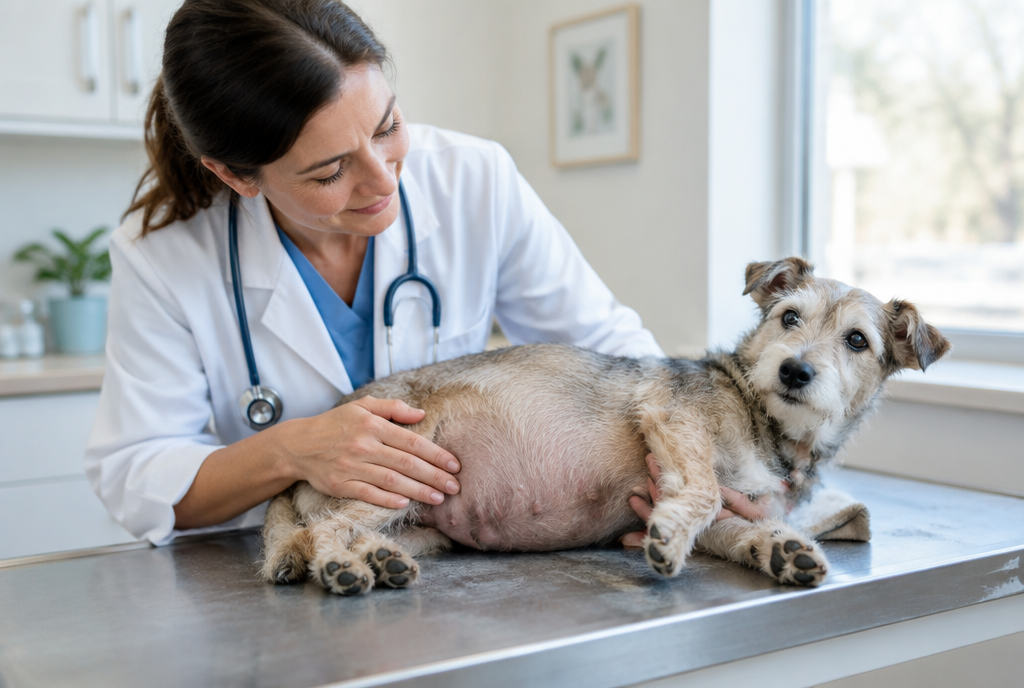
The disease is most common in middle-aged and older dogs, and breeds such as Miniature Poodles, Dachshunds, Boxers, Boston Terriers and Yorkshire Terriers appear to be at higher risk. You may also hear about iatrogenic Cushing's disease, which is linked to long-term steroid use. In many cases, the clinical signs include increased thirst, increased urination, increased appetite, panting, hair loss and a pot belly.
Because most treatment options control cortisol rather than remove the root cause, Cushing's disease is often managed, not cured. A cure is uncommon and usually depends on surgery for certain tumors. Diagnosis may involve blood tests, urine tests, an ACTH stimulation test or a low-dose dexamethasone suppression test.
How Does Cushing's Disease Progress in Dogs?
For many older dogs, Cushing's disease starts quietly. The first symptoms may seem mild, such as increased appetite, more water consumption, panting or gradual hair loss. Some dogs also look heavier around the middle while losing muscle at the same time.
As excess cortisol continues to affect the body, the clinical signs become harder to ignore. Daily function may slip, skin changes can worsen, and quality of life may slowly decline. That progression is why it helps to notice the smaller shifts early. The next two sections walk through how these changes often look in real life.
Early Signs Owners Often Mistake for Normal Aging
At first, Cushing's disease can look like a dog simply getting older. That is one reason diagnosis is often delayed. You may notice your dog empties the water bowl faster, asks to go outside more often, or seems hungrier than usual.
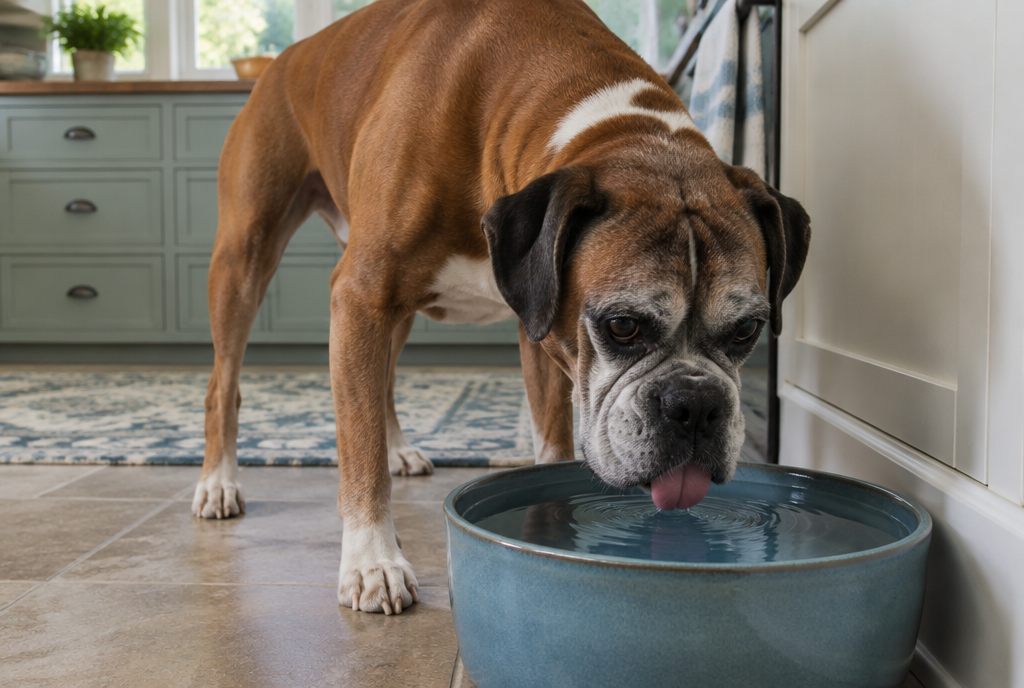
Some changes are easy to dismiss because they happen little by little. Still, signs that seem mild at first may point to a hormonal problem rather than normal aging.
- Increased appetite that feels out of character
- Rising water consumption and more urination
- Hair loss or a thinning coat
- A developing pot belly
- Mild muscle weakness or lower stamina
If you are asking whether aging signs could really be Cushing's disease, the answer is yes. These early warning signs are common, especially in middle-aged and senior dogs, and they deserve a veterinary check. Cornell's Riney Canine Health Center notes that increased drinking and urination occur in 80–90% of cases.
Moderate Stage: When Treatment Needs Adjusting
Once treatment begins, improvement is possible, but this stage often needs close watching. If clinical signs come back, do not assume treatment has failed completely. It may mean the dose needs adjusting, or that side effects or other health issues are now part of the picture.
Your veterinarian may recommend repeat blood work, urine tests or an ACTH stimulation test. A chemistry panel and other testing help show whether cortisol control is still in a safe range.
- Thirst, urination or panting start increasing again
- Appetite changes sharply in either direction
- Weakness, vomiting or low energy raise concern for side effects
- Blood tests show new abnormalities
What looked like stable control can shift, and regular monitoring becomes just as important as the medication itself. The U.S. Food and Drug Administration lists poor appetite, vomiting, lethargy, diarrhea and weakness as common medication side effects, so tell your veterinarian about any of these right away.
What Are the Final Stages of Cushing's Disease in Dogs?
In the final stages of Cushing's disease, problems often go beyond thirst and appetite. Late-stage symptoms may include weight loss from muscle wasting, repeated skin infections, weakness and complications linked to long-term high cortisol.
Some dogs also develop serious health problems such as blood clots, diabetes, high blood pressure or neurological changes. Blood work may show ongoing abnormalities, and an enlarged liver can be part of the picture. When several of these issues appear together, your dog's quality of life can drop quickly. That makes careful observation especially important.
Late-Stage Physical Signs to Watch For
By the late stage, the physical changes are usually clearer. Your dog may still have an increased appetite, but the body often looks weaker and less able to cope. Families sometimes notice that the dog seems fragile, less steady or less interested in normal routines.
Skin and body condition often tell the story. Cushing's disease can leave dogs with a poor coat, slower healing and visible muscle loss even if the belly remains rounded.
- Ongoing hair loss or very thin skin that bruises easily
- Recurrent skin or urinary tract infections
- Marked muscle weakness, trouble rising or climbing stairs
- Pot belly with overall muscle and weight loss
- Heavy panting and heat intolerance, even at rest
These physical changes can help explain why your dog seems tired, uncomfortable or less like themselves.
Serious Complications: Blood Clots, Infections, Diabetes and Neurological Signs
Some of the hardest cases involve complications, not just the core disease. Excess cortisol can weaken normal defenses and raise the risk of infections, diabetes, high blood pressure and blood clots. About 10% of dogs with Cushing's also have diabetes mellitus. In pituitary cases, neurological signs may appear if a larger pituitary tumor presses on nearby brain structures.
These issues can change quality of life very quickly. They may also explain sudden decline in dogs who seemed stable before.
| Complication | What you may notice |
|---|---|
| Blood clots (often in the lungs) | Sudden trouble breathing, collapse or rapid decline |
| Infections | Recurrent skin or urinary problems, slow healing |
| Diabetes | Even more thirst and urination, weight loss and worsening weakness |
| Neurological signs | Disorientation, behavior changes, seizures or sudden blindness |
| High blood pressure | Often found only with testing, sometimes with wider health decline |
When to call your vet right away: sudden difficulty breathing, collapse, a seizure, sudden blindness, or refusing food and water. These can be signs of a serious complication and need same-day care.
Blood work helps track these complications, but what matters most is how your dog is functioning day to day.
How Can You Judge Your Dog's Quality of Life With Cushing's?
A dog with Cushing's can still have a good quality of life for quite some time, especially if treatment controls the main clinical signs. The key is not just the diagnosis. It is how your dog feels and functions each day.
Look at comfort, mobility, appetite, water consumption, sleep, hygiene and interest in family life. In older dogs, several health problems may overlap, so quality of life often gives a clearer picture than any single lab result. To make that judgment less overwhelming, simple tracking tools can help.
Using a Quality-of-Life Scale and Daily Diary
When emotions are high, memory can play tricks on you. A daily diary gives you something solid to look back on. It helps you spot patterns in your dog's quality of life and shows whether the treatment plan is still helping.

Behavioral changes are often part of the picture. Some dogs seem restless, more tired, less engaged, or more bothered by nighttime accidents and constant thirst. A marked water bowl can help you track intake in a simple way.
- Appetite: eating well, refusing meals or acting ravenous
- Drinking: how often you refill the water bowl
- Activity: walks, play and ease of getting up
- Comfort: sleep, panting, accidents, skin irritation or distress
A dog's quality of life is easier to judge when you see trends instead of isolated bad days. Our quality-of-life checklist for pets near end of life can help you score each area, and that record also helps your veterinarian give better guidance.
Questions to Ask Your Veterinarian
Good questions can make a painful situation feel more manageable. If you are worried about decline, ask clearly whether your dog's current clinical signs fit controlled disease, medication side effects or new health issues.
Your veterinarian may use a physical examination, blood work, urine tests and sometimes imaging. In select cases, a CT scan may be discussed to look more closely at a tumor or related complications.
- Are these changes from Cushing's disease, aging or another problem?
- Is the current treatment still helping enough to support quality of life?
- Could side effects be making my dog feel worse?
- Would more blood work or testing change the plan?
- What signs mean I should consider end-of-life decisions soon?
These questions bring the conversation back to what matters most: comfort, function and realistic treatment options.
When Is It Time to Say Goodbye to a Dog With Cushing's Disease?
There is no single test that tells you the exact right day. With Cushing's disease, the decision usually comes when symptoms keep your dog from having a good quality of life even with a reasonable treatment plan.
If your dog is uncomfortable most days, losing strength, struggling with repeated complications, or no longer enjoying food, rest, family time or normal routines, euthanasia may be a loving choice. Many families wait for certainty. In reality, the better guide is whether your dog still has comfort and dignity.
The question is not whether you love your dog enough to keep going. It is whether continued treatment is still giving your dog comfort.
Signs It May Be Time to Consider Euthanasia
This choice is never easy. Still, some signs suggest that end-of-life care should be discussed sooner rather than later.
Watch for a pattern, not just one rough afternoon. A dog's quality of life may be poor when bad days outnumber good ones and recovery between setbacks gets shorter.
- Severe weakness or inability to enjoy normal activities
- Repeated infections, accidents or distress that do not improve
- Loss of appetite, marked discomfort or constant restlessness
- Rapid decline from complications such as neurological changes or collapse
When these symptoms stack up, euthanasia may be the kindest way to prevent further suffering and protect your dog's quality of life. Many families choose a planned, peaceful goodbye rather than waiting for an emergency. If you are unsure, our guide on how to know when it's time to say goodbye to a pet walks through the decision step by step.
What Happens During In-Home Euthanasia?
Yes, a dog with Cushing's disease can be euthanized at home, and many families find that this setting feels calmer in the final stages. In-home euthanasia allows your dog to stay in a familiar place with favorite people, soft bedding and less stress than a trip to a clinic. For some pets, that can make a meaningful difference at the end of life.
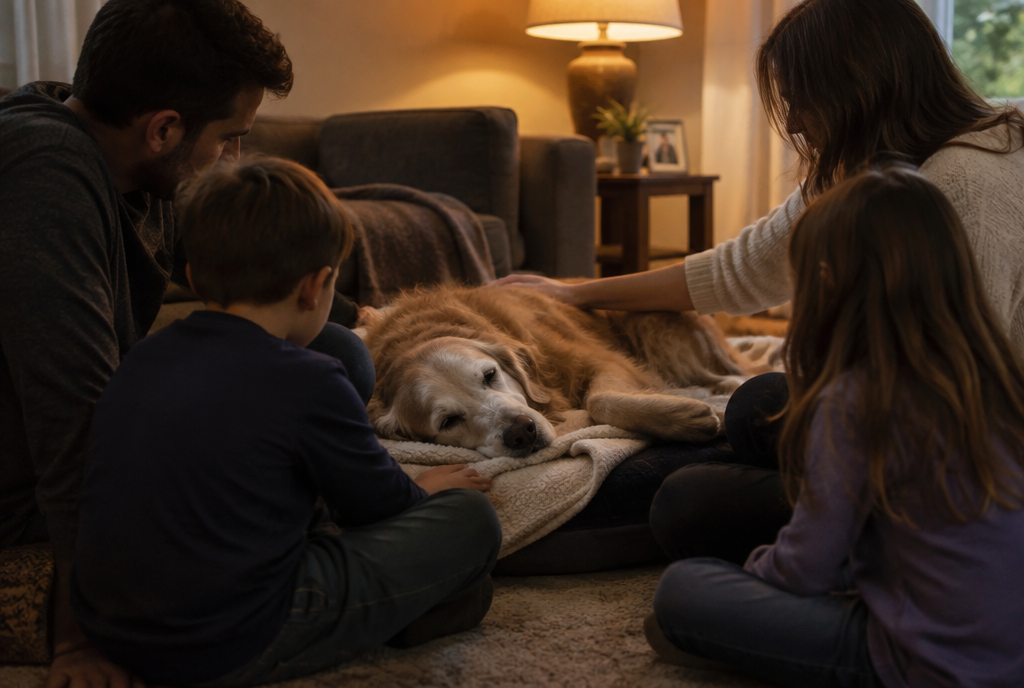
The visit is usually quiet and unrushed. You can ask questions, spend time saying goodbye, and focus on your dog's comfort rather than the pressure of travel. At Honor Pet, a veterinarian first gives a calming sedative so your dog feels at ease. Once your dog is fully relaxed and sleeping, a second medication allows them to pass peacefully.
Honor Pet offers in-home pet euthanasia across Los Angeles and Orange County, as well as private rooms at our Comfort Center in downtown Los Angeles. Appointments are available seven days a week, and same-day visits are often possible. Our guide to preparing for in-home pet euthanasia explains what to expect.
Planning Ahead: Aftercare, Grief and Final Thoughts
Planning ahead can ease some of the fear around euthanasia. It helps to decide where you want the appointment to happen, who should be present, and what kind of aftercare feels right for your family. Making those choices before a crisis gives you more space to focus on your dog instead of logistics. Honor Pet offers pre-planning and quality-of-life consultations for families who want to talk it through early.
For aftercare, water cremation is a gentle, water-based process that uses about 90% less energy than fire cremation. With individual cremation, your dog's ashes come home in the Honor Box, along with keepsakes such as a digital nose print and a fur clipping.
Grief often starts before the goodbye, especially during the final stages when your dog's quality of life is clearly slipping. That is normal. So is doubt. If you are making your decision based on comfort, dignity and quality of life, you are acting out of love. Our free weekly pet loss support groups and one-on-one sessions are there for the days and weeks that follow.
Need to talk about your dog's quality of life?
Our veterinarians can help you weigh the next step with care, at home or at our Comfort Center.
Talk to Honor Pet or call (323) 515-1234
If you would like a lasting keepsake, the Honor Pet store offers hand-personalized memorials, including ink paw and nose prints, clay paw prints, urns from $25 to $295 and cremation jewelry that can hold a small amount of ashes or fur.
Frequently Asked Questions
How long can a dog live with Cushing's disease after diagnosis?
It varies with the type of disease, other health problems and response to treatment. Cornell reports an average survival of about 1 to 2.5 years with medication, and 1.5 to 5 years after surgery or radiation, while the Merck Veterinary Manual estimates a median of about two years. Good monitoring and symptom control can support a meaningful quality of life for much of that time.
Are dogs with Cushing's disease in pain during the final stages?
Cushing's disease does not always cause obvious pain by itself, but the final stages can bring weakness, infections, skin problems, distress and other clinical signs that greatly reduce quality of life. Families should focus on overall comfort, not just whether their dog is crying or showing clear pain.
What can families do to keep a dog comfortable in the last stages?
Keep your dog's space quiet, clean and easy to move through. Track symptoms, keep water available, give medication exactly as directed, and talk with your veterinarian often. Comfort, rest and gentle support matter more than pushing activity.
Should I treat Cushing's disease in a senior dog?
Often, yes. Treatment can improve quality of life in senior dogs by reducing thirst, appetite changes, panting and other symptoms. The decision depends on your dog's overall health, monitoring needs and the risk of side effects, so it should be individualized with your veterinarian.
Can Cushing's disease cause sudden death in dogs?
It can, in some cases, especially if serious complications develop. A blood clot in the lungs, severe infection or sudden collapse may lead to rapid decline. That is one reason late-stage signs should be taken seriously, even if your dog seemed fairly stable just days earlier.
Can a dog with Cushing's disease be euthanized at home?
Yes. In-home euthanasia is an option for dogs with Cushing's disease and can be especially gentle in the final stages. If treatment no longer supports quality of life, saying goodbye at home may allow your dog to remain calm, comfortable and surrounded by family.