
Introduction
The signs your dog with diabetes is dying usually include severe weakness and lethargy, ongoing weight and muscle loss, refusing food, vomiting or diarrhea, dehydration, fast or troubled breathing, confusion, collapse, and infections that keep coming back. When these signs persist even with insulin and good home care, or keep returning as emergencies, your dog may be reaching the end stage of diabetes, and it is time to talk with your veterinarian about comfort and a gentle goodbye.
Key Takeaways
- A diabetic dog may decline when symptoms of diabetes become severe and daily comfort drops sharply.
- Worsening diabetes mellitus often shows up as poor control of blood glucose levels, weakness, dehydration, and weight loss.
- Missed meals, changing insulin needs, or illness can make insulin injections unsafe or less effective.
- Diabetic ketoacidosis (DKA) and low blood sugar are both medical emergencies.
- Your dog's quality of life matters as much as lab numbers.
- A veterinarian can help you judge when treatment is still helping and when a gentle goodbye is kinder.
Learning that your diabetic dog may be nearing the end is heartbreaking. The good news is that many dogs with diabetes mellitus can have happy lives with treatment, but some reach a point where complications become too serious. Early diagnosis gives dogs the best chance for longer, steadier comfort. If you are seeing major changes in thirst, appetite, weight, energy, or breathing, it is time to look closely at what those changes mean and whether your dog is still feeling okay.
What Are the Signs Your Dog With Diabetes Is Dying?
A diabetic dog in the final stages may show advanced diabetes signs such as severe weakness, dehydration, repeated infections, major weight loss, vomiting, diarrhea, rapid breathing, collapse, or mental dullness. These symptoms of diabetes suggest that high blood sugar is no longer being controlled well, or that a serious complication has set in.
You may also notice that your dog's quality of life is fading. They may stop enjoying food, lose interest in family life, sleep much more, or struggle with basic daily function. The physical and behavior changes below can help you judge how serious the decline has become.
Physical Signs of End-Stage Diabetes in Dogs
Some physical changes are common in diabetes. Others point to advanced diabetes and severe complications. A dog whose body is not getting enough usable energy may keep losing muscle and fat even if they once had a normal or increased appetite.
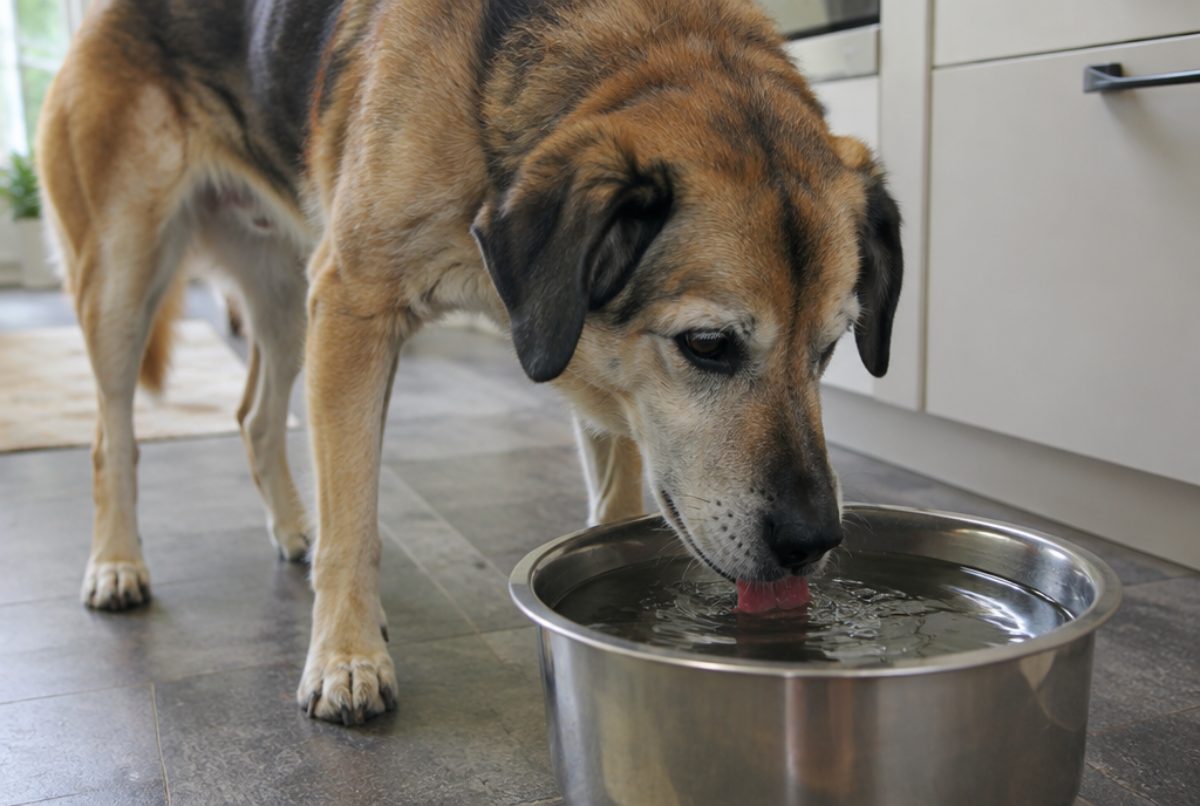
Watch closely for signs that the body is under strain from ongoing high blood sugar or related organ stress. In late decline, problems can worsen fast, especially if diabetic ketoacidosis develops or if kidney failure is part of the picture.
- Unexplained weight loss or severe thinning
- Heavy thirst with frequent urination
- Dehydration, weakness, and marked lethargy
- Cloudy eyes from cataracts, which are a common complication in diabetic dogs
- Recurrent infections, especially urinary tract infections or skin infections
- Rarely, nerve damage (diabetic neuropathy) that can cause hind leg weakness
According to Cornell University's Riney Canine Health Center, the classic signs of canine diabetes are excessive thirst, increased urination, weight loss even while eating well, decreased appetite, cloudy eyes, and frequent skin and urinary infections. When these signs come back strongly in a dog who was once well controlled, it is a warning that something has changed.
Behavior Changes in a Dying Diabetic Dog
Behavior often changes before families are ready to admit how sick a dog feels. When the body's cells cannot use glucose properly, your dog may act worn out, confused, or simply unlike themselves. A once social pet may pull away.
At home, look at patterns rather than one bad afternoon. Are activity levels steadily shrinking? Is your dog resisting walks, spending more time isolated, or no longer interested in meals or affection? These changes can reflect poor diabetic control, discomfort, or another illness developing alongside diabetes. Many of them overlap with the general behavior changes older dogs show near the end of life.
- Sleeping far more than usual
- Reluctance to move or exercise
- Acting quiet, dull, or mentally "not present"
- Loss of interest in food, water, play, or family contact
These shifts matter because they speak directly to quality of life, not just numbers on a test.
What Happens When Insulin Stops Controlling Diabetes?
When insulin therapy stops working well, blood sugar can stay too high for too long. You may see the return or worsening of the classic signs: excessive thirst, frequent urination, weight loss, weakness, and sometimes increased appetite. That usually means your dog is not getting enough insulin effect, even if you are giving the injections exactly as prescribed.
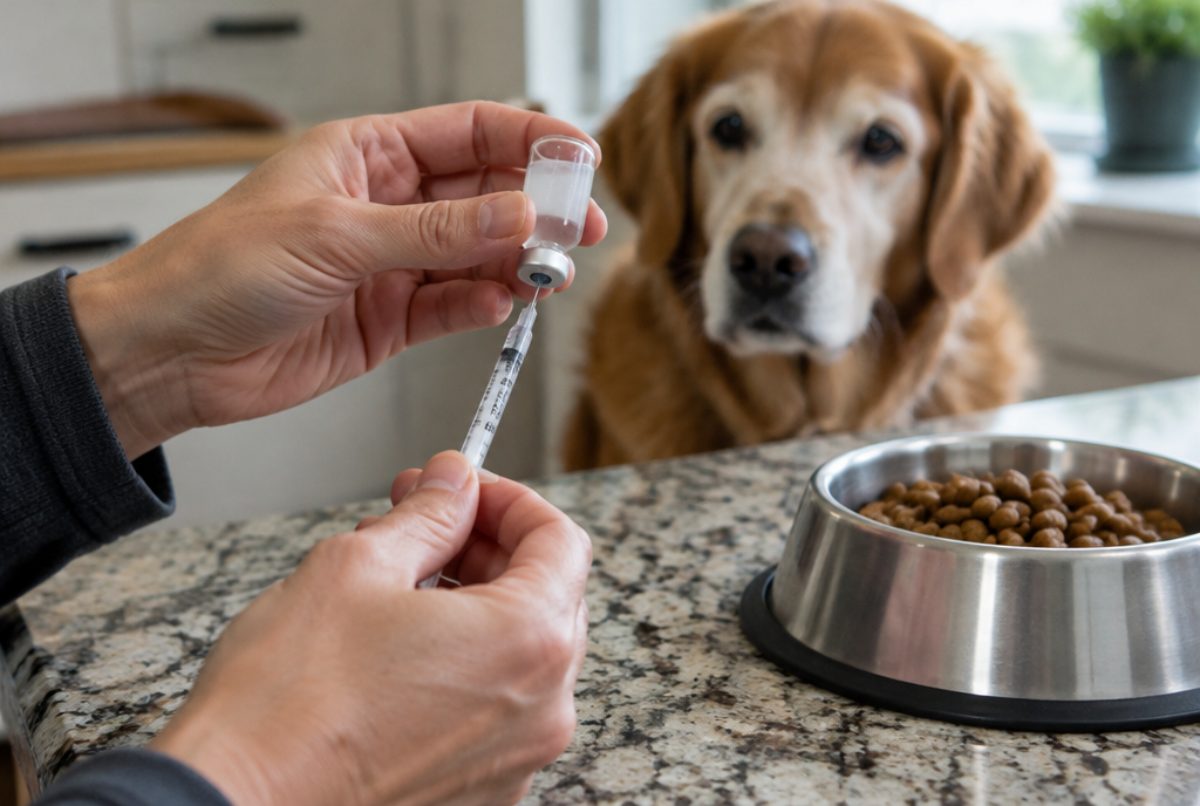
There are several reasons this can happen. Insulin needs can change with illness, body weight, activity, or other hormone problems such as Cushing's disease or hypothyroidism. Some dogs also develop insulin resistance or need a different type of insulin. If control slips, your veterinarian may recommend blood tests, urine tests, or a glucose curve to adjust the treatment plan safely.
It also helps to know what "good control" looks like. The 2026 AAHA Diabetes Management Guidelines for Dogs consider diabetes well controlled when a dog is not drinking, urinating, or eating excessively and their body weight is stable or rising, and they note that diabetic dogs can live a good quality of life with few or no clinical signs. When those signs return and stay despite changes to treatment, your dog is telling you the disease is getting harder to manage.
The goal of diabetes care is not a perfect glucose number. It is a dog who feels well enough to enjoy their day.
What Is Diabetic Ketoacidosis (DKA) and Why Is It an Emergency?
Diabetic ketoacidosis is one of the most dangerous complications of canine diabetes. It happens when the body cannot use glucose for energy because there is too little effective insulin. The body then breaks down fat, producing ketones that make the blood too acidic. This is a medical emergency.
A dog with diabetic ketoacidosis may have very high blood glucose, but their body is still starving at the cell level. Without prompt hospital care, DKA can lead to severe dehydration, dangerous electrolyte imbalances, and death. The AAHA guidelines note that when a dog has no effective insulin, ketosis predictably develops within several days, so signs can escalate quickly.
Warning Signs and Symptoms of DKA in Dogs
DKA often follows a period of poorly controlled diabetes or another illness, such as an infection or pancreatitis, that changes insulin needs. Signs to watch for include:
- Not eating, or refusing food for more than one meal
- Vomiting or diarrhea
- Severe lethargy and weakness
- Dehydration, such as dry, tacky gums
- Rapid or labored breathing
- A sweet or fruity smell on the breath
- Collapse, confusion, or seizures
Emergency Steps You Should Take for DKA
When to call your vet right away
If your diabetic dog is vomiting, refusing food, very weak, breathing fast, or collapsing, contact your veterinarian or an emergency clinic immediately. Do not try to fix DKA at home, and do not change insulin doses on your own. Bring your dog's insulin, a note of the last dose and meal times, and any glucose readings you have.
If your dog will not eat, call your veterinarian before giving the usual insulin dose, since insulin without food can push blood sugar too low. Hospital treatment for DKA usually involves IV fluids, careful insulin therapy, and close monitoring of electrolytes. Some dogs recover well, but repeated DKA episodes, or DKA alongside other serious illness, can be a sign that the disease is reaching its end stage.
What Does a Low Blood Sugar (Hypoglycemia) Crisis Look Like?
Low blood sugar can happen if insulin injections are too strong for the amount of food your dog ate, if exercise was unusual, or if insulin needs changed. This can become dangerous very quickly.
Signs of hypoglycemia include sleepiness, trembling, unsteady walking, disorientation, seizures, or collapse. If your dog worsens suddenly, think emergency. Do not give more insulin. The next section covers practical first aid steps while you contact a veterinarian right away.
Symptoms and First Aid for Low Blood Sugar
First, know the difference between high and low blood sugar. Signs of high blood sugar usually build over days or weeks and include excessive thirst, frequent urination, weight loss, and lethargy. Low blood sugar is different. It is often sudden and linked to insulin therapy.
If you think your dog has low blood sugar, act fast. Cornell's Riney Canine Health Center advises rubbing corn syrup or honey on the gums, or offering cooked pasta with syrup or honey if your dog can eat. Never put food or liquid into the mouth of a dog who cannot swallow. Then contact your veterinarian or head to an emergency clinic. Glucose testing can help guide care, but do not wait if your dog is collapsing.
- Weakness or marked lethargy
- Tremors or shivering
- Uncoordinated walking or strange movements
- Seizures
- Collapse or coma
| What you see | DKA (too little insulin) | Low blood sugar (too much insulin) |
|---|---|---|
| How fast | Builds over hours to days | Often sudden, within hours of an insulin dose |
| Appetite and stomach | Refuses food, vomiting, diarrhea | May have eaten little before the insulin dose |
| Body signs | Dehydration, fast breathing, sweet-smelling breath | Trembling, wobbly walking, confusion, seizures |
| What to do | Emergency vet visit, no home treatment | Corn syrup or honey on the gums, then call your vet |
When Is It Time to Say Goodbye to a Diabetic Dog?
It may be time to say goodbye when your dog no longer has a good quality of life, even with treatment. If eating, drinking, resting, walking, staying clean, or enjoying family time has become a daily struggle, that matters deeply.
You should also seek veterinary guidance right away if symptoms suddenly worsen, or if there are signs of organ failure, diabetic ketoacidosis, or severe hypoglycemia. When comfort cannot be restored and bad days clearly outnumber good ones, a peaceful goodbye may be the kindest choice. Our guide on how to know when it's time to say goodbye to a pet walks through this decision in more depth.
A Daily Quality-of-Life Check
A simple daily check can make hard decisions clearer. Rather than relying on one emotional moment, track the same basics every day. This helps you spot whether symptoms of diabetes are stable, improving, or slowly taking over your dog's routine.

Focus on practical questions. Is your dog eating well? Drinking an extreme amount? Having accidents from frequent urination? Enjoying walks, attention, or resting comfortably? The goal is not perfection. It is to judge whether your dog's quality of life is still acceptable. Cornell also recommends keeping a notebook of daily insulin doses, diet, and activity, which doubles as a useful record when you talk with your veterinarian. Our quality-of-life checklist for pets near the end of life can help you score each day.
| Area to Track | What to Ask Each Day |
|---|---|
| Eating | Did my dog eat normally and show interest in food? |
| Drinking | Is thirst steady, or much more intense than usual? |
| Urination | Is there frequent urination, straining, or house soiling? |
| Stool | Is pooping normal, or is there diarrhea or trouble passing stool? |
| Energy | Are activity levels fair, or is my dog mostly weak and withdrawn? |
| Joy | Did my dog enjoy family contact, comfort, or normal routines today? |
Questions to Ask Your Veterinarian
When you are unsure, ask direct questions. Your veterinarian sees the full picture: symptoms, exam findings, blood tests, urine tests, body weight, and how your dog responds to treatment. That helps you decide whether your dog still has a reasonable quality of life or is moving toward crisis.
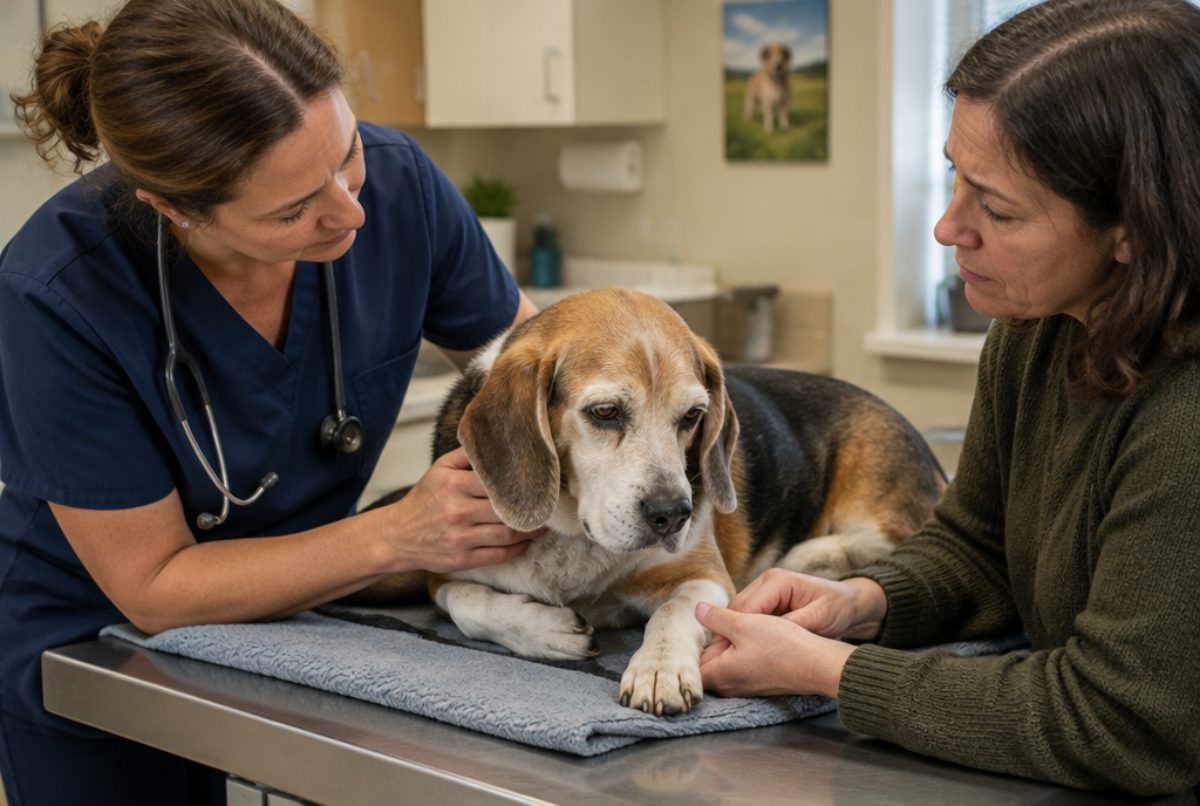
If you notice a sudden decline, do not wait. A same-day call to your veterinary clinic is wise, and some signs mean a medical emergency. Bring your notes on appetite, water intake, insulin doses, and behavior changes.
Ask questions like these:
- Are these signs from poor control, a treatment problem, or another illness?
- Does my dog need blood tests, urine tests, or a glucose curve?
- Are we dealing with diabetic ketoacidosis or hypoglycemia?
- Can the treatment plan still give my dog comfort?
- Based on my dog's condition, what should I watch for at home tonight?
If you would like to talk this through with a veterinarian who focuses on end-of-life care, Honor Pet offers pre-planning and quality-of-life consultations to help you understand your options before a crisis.
Saying Goodbye Gently: Euthanasia and Aftercare Options
If the signs your dog with diabetes is dying are adding up, and there is no reasonable path back to comfort, euthanasia can be a gentle, humane choice. Many families find that in-home care feels calmer because their dog can remain in a familiar space. For some pets, a Comfort Center setting may feel right too. What matters most is quiet handling, clear guidance, and comfort-focused care.
Honor Pet provides compassionate in-home and Comfort Center pet euthanasia in Los Angeles and surrounding areas, with appointments 7 days a week and same-day visits often available. A calming sedative is given first so your dog can relax and fall asleep, and only then is a second medication given that allows them to pass peacefully. Afterward, your dog stays in our care for gentle water cremation, which uses 90 percent less energy than traditional cremation. If you are facing this decision, you do not have to carry it alone, and our pet loss support is there for the days and weeks that follow.
Is your diabetic dog struggling?
Our veterinarians can help you weigh the next step with care, at home or at our Comfort Center.
Talk to Honor Pet or call (323) 515-1234
If you would like a lasting keepsake, a clay paw print or ink nose and paw prints can preserve a small part of your dog, and the Honor Pet store also offers urns from $25 to $295 and cremation jewelry that can hold a small amount of ashes or fur.
Frequently Asked Questions
Can Older Dogs Suddenly Develop Diabetes and What Are the First Signs?
Yes. Older dogs can develop diabetes mellitus, and many diabetic dogs are diagnosed in midlife or later. Early signs of diabetes often include excessive thirst, frequent urination, lethargy, cloudy eyes, recurrent infections, and unexplained weight loss, sometimes even when appetite seems normal or increased.
How Fast Can the End Stages Progress for a Diabetic Dog?
It depends on the cause and whether treatment is working. A diabetic dog with advanced diabetes may decline gradually over weeks, but diabetic ketoacidosis can cause a much faster crisis. Once severe dehydration, vomiting, collapse, or organ failure begins, urgent care is needed right away.
What Should I Do If My Dog's Condition Worsens Suddenly?
Treat sudden worsening as a medical emergency. Contact your veterinary clinic or an emergency hospital at once, especially if your dog has vomiting, collapse, seizures, troubled breathing, or severe weakness. Do not change the treatment plan on your own unless a veterinarian tells you to do so.
How Long Can a Dog Live With Diabetes?
Many dogs with canine diabetes can live long, comfortable lives with daily insulin injections, regular monitoring, and a steady routine. Some live for years after diagnosis. The best outlook usually comes with early diagnosis, careful follow-up, and close attention to appetite, weight, thirst, and quality of life.
Is a Diabetic Dog in Pain at the End?
Not every diabetic dog appears painful, but advanced diabetes can bring weakness, dehydration, nausea, infections, and serious complications that greatly reduce quality of life. At the end of life, the main concern is often suffering from crisis or decline. Good symptom control and comfort-focused care matter a great deal.
Can My Diabetic Dog Be Euthanized Peacefully at Home?
Yes. If your dog's quality of life has fallen and home care no longer keeps them comfortable, euthanasia at home can be peaceful and gentle. Many families value the familiar setting and quiet pace. Aftercare planning, including water cremation, can also be arranged to reduce stress during a very hard time.