
Introduction
Most pet cats live about 12 to 15 years, and many reach their late teens. A 2024 Royal Veterinary College study of 7,936 UK cats put life expectancy at birth at 11.7 years, a figure pulled down by cats that die young, while a cat that reaches age 10 can expect about five and a half more years. Sex, breed, body weight, neutering and safety from outdoor hazards all shift those numbers.
Key Takeaways
- Most pet cats live about 12 to 15 years; a large UK study estimated life expectancy at birth at 11.7 years.
- Female cats lived about 16 months longer than males in that study.
- Crossbred cats had a longer life expectancy (11.9 years) than purebred cats (10.4 years).
- Burmese and Birman cats were the longest-lived breeds; Sphynx and Bengal cats had the shortest life expectancy.
- A cat's first year equals about 15 human years, the second about 24, and each year after that about four more.
- Neutering, a healthy weight and regular veterinary care are linked with longer lives.
Your feline friend may feel timeless, but domestic cats move through clear life stages, each with different needs. Most cats live for many years, and good care can make a real difference in both length of life and day-to-day comfort. If you have ever wondered how long cats live, how cat years compare with human years, or what changes to expect with age, this guide walks you through lifespan, aging and what helps cats do well.
What Is the Average Lifespan of a Cat?
For most pet cats, the average lifespan falls between about 12 and 15 years, and some cats live well beyond that. Lifespan figures depend on how they are measured. A 2024 study in the Journal of Feline Medicine and Surgery built the first life tables for UK cats from 7,936 cat deaths and found:
- Life expectancy at birth was 11.74 years.
- A 5-year-old cat could expect about 8.8 more years, and a 10-year-old cat about 5.5 more years.
- Even a 15-year-old cat could expect about 2.7 more years.
- An earlier UK study it cites found a median age at death of 14 years.
That said, a cat's lifespan is never just a number. Quality of life matters just as much as years lived, and daily choices around diet, veterinary care and lifestyle shape how well your cat ages. The next two sections explain why setting matters and how rare longevity records fit into the bigger picture.
Differences in Lifespan Between Indoor and Outdoor Cats
Indoor cats are generally safer than cats that roam freely, because time outside brings everyday dangers that can shorten life. An outdoor cat faces more risk factors, including:
- Traffic accidents and injuries from fights or predators
- Infectious diseases passed between cats
- Parasites such as fleas, ticks and intestinal worms
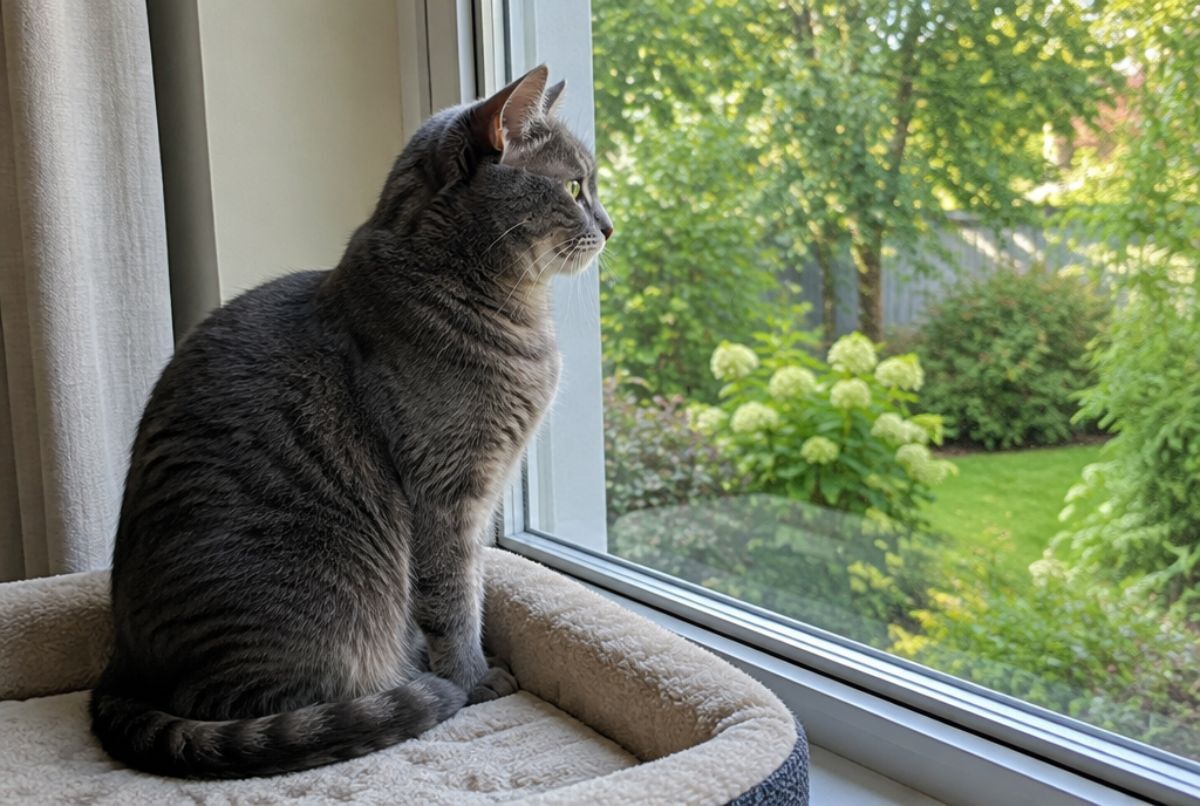
Indoor life has its own needs, though. The American Association of Feline Practitioners (AAFP) recommends controlled outdoor access, such as leash walks or an enclosed outdoor space, for cats that go outside, and reminds owners that indoor-only cats need enough play and enrichment to avoid stress and boredom. For many families, an enriched indoor home plus routine veterinary care is the safest path to a long life.
Longevity Records: The Oldest Known Cats
Most cats will never come close to the lifespan records, but those stories show what is biologically possible. According to Guinness World Records, the oldest cat ever was Creme Puff of Austin, Texas, who lived to 38 years and 3 days. That is far beyond the average cat lifespan and remains a remarkable outlier.
Longevity records are interesting, but they should not become the standard you judge your own cat by. What matters more is whether your cat is comfortable, eating well, moving reasonably and enjoying daily life as the years pass.
What Factors Influence How Long Cats Live?
Several factors shape a cat's life, and they often work together rather than alone. Purebred and mixed-breed cats can carry different inherited risks, while sex, body weight, neutering and regular veterinary care all influence life expectancy.
Just as important, small daily habits build over time. A healthy body weight, vaccines that fit your cat's needs, parasite prevention and early checks for health issues all protect quality of life. It helps to look at genetics, routine care and neutering one by one.
Breed and Genetics: How Much Do They Matter?
Breed and genetics do matter, but they are not the whole story. Some purebred cats are linked with certain inherited health issues, and in the 2024 UK study purebred cats had a lower life expectancy (10.4 years) than crossbred cats (11.9 years). Purebred cats also had almost twice the odds of dying before age 3.
Sex made a difference too: female cats had a life expectancy of 12.5 years, compared with 11.2 years for males. Still, genes are only one part of the picture. Good food, a healthy weight, preventive care and quick attention to subtle changes can help a cat with average genetics do very well.
The Role of Diet, Exercise, and Preventive Care
A balanced diet supports organ function, the immune system and a healthy weight. Weight matters for lifespan: in the 2024 UK study, cats whose adult weight was far above or below the typical weight for their breed and sex tended to have shorter lives. Excess weight is also tied to problems such as arthritis and diabetes. Feeding measured meals and using food matched to life stage can support a healthier, longer life.

Exercise matters too, even for indoor cats. Play, climbing and enrichment keep young and mature cats active. Movement supports joints, helps control weight and can improve daily comfort.
Preventive veterinary care gives you a chance to catch trouble early. Helpful steps include:
- Keeping up with routine vaccinations and parasite prevention
- Scheduling regular checkups and bloodwork as your cat ages
- Watching for changes in grooming, appetite, weight or litter box habits
These steps protect quality of life and can help your cat reach their full lifespan.
Effects of Neutering or Spaying on Cat Lifespan
Yes, neutering or spaying is linked with a longer life. In the 2024 UK study, neutered cats lived about 1.1 years longer than entire (unneutered) cats after accounting for other factors, and entire cats had more than four times the odds of dying before age 3. Neutering lowers the risk of some reproductive diseases and cancers.
There are behavior-related benefits as well. Hormone-driven behaviors such as roaming, fighting or spraying can lead to stress, injury and conflict, especially for cats with outdoor access. Reducing those patterns supports safer daily living. Timing still matters, so talk with your veterinarian about the right plan for your cat.
How Do Cat Years Convert to Human Years?
Cat years do not convert in a simple one-to-seven way. Cats mature quickly early in life, so the first two years represent a much faster jump than later years. That is why a young cat can seem grown up surprisingly fast.
Looking at cat ages in human years helps you understand life stages, expected changes and when senior screening becomes more important. It is not a precise biological rule, but it is a useful guide for planning care.
Cat Years to Human Years Conversion Table
A practical rule from the AAFP's life stage chart: a cat's first year equals about 15 human years, the second year brings them to about 24, and after that each additional year is roughly equal to four human years.
| Cat age | Human age equivalent |
|---|---|
| 6 months | 10 years |
| 1 year | 15 years |
| 2 years | 24 years |
| 3 years | 28 years |
| 6 years | 40 years |
| 8 years | 48 years |
| 10 years | 56 years |
| 12 years | 64 years |
| 15 years | 76 years |
| 18 years | 88 years |
| 20 years | 96 years |
| 21 years | 100 years |
Use the table as a general tool, not a medical rule. Two cats of the same age may feel very different depending on genetics, weight, disease and care. That is why mature and senior cats benefit from exams based on health status, not age alone. If you share your home with a dog too, see our guide to how long dogs live.
What Are the Life Stages of a Cat?
Cats move through clear life stages, and each one brings different nutrition, behavior and health needs. The 2021 AAHA/AAFP Feline Life Stage Guidelines describe four: kitten, young adult, mature adult and senior, plus an end-of-life stage that can come at any age.
Age alone is not the full story, though. A cat may be a senior on paper but still act bright and active. Watching behavior, mobility, appetite, litter box habits and grooming tells you a lot about quality of life and whether your cat is starting to age in visible ways.
Kitten, Young Adult, Mature Adult and Senior Explained
| Life stage | Age |
|---|---|
| Kitten | Birth to 1 year |
| Young adult | 1 to 6 years |
| Mature adult | 7 to 10 years |
| Senior | Over 10 years |
| End of life | Any age |
A kitten is in the growth phase, when good nutrition, socialization, play and vaccines support healthy development. Young adult cats are no longer growing, but they stay active and benefit from weight control and routine veterinary care.
The mature adult stage is when some cats begin to slow down, become less playful or show subtle changes in litter box habits, grooming or sleep. Senior cats are over 10, and their health can change more quickly from here. Signs your cat may be aging include:
- Less jumping, slower movement or stiffness
- Weight changes, poor grooming or a scruffy coat
- Nighttime restlessness, litter box changes or new vocalizing
These shifts deserve attention, especially when they appear suddenly. If your older cat is waking you at night, our guide to nighttime restlessness in senior pets explains what may be going on.
Cats are experts at hiding discomfort. Small changes in grooming, appetite or litter box habits are often the first clues that something has changed.
Which Cat Breeds Tend to Live the Longest?
In the 2024 UK study, Burmese and Birman cats had the longest life expectancy, while Sphynx and Bengal cats had the shortest. Crossbred cats, the everyday "moggies" that make up most pet cats, sat above every purebred group except Burmese and Birman.

| Breed | Life expectancy at birth |
|---|---|
| Burmese | 14.4 years |
| Birman | 14.4 years |
| Crossbred (mixed breed) | 11.9 years |
| Siamese | 11.7 years |
| Persian | 10.9 years |
| Ragdoll | 10.3 years |
| Norwegian Forest Cat | 10.0 years |
| Maine Coon | 9.7 years |
| British Shorthair and Longhair | 9.6 years |
| Bengal | 8.5 years |
| Sphynx | 6.7 years |
Some breeds had only a few dozen cats in the study, so treat these figures as broad trends rather than predictions. No table can tell you how long your own cat will live, but breed trends can help you ask better questions during routine care.
When Is It Time to Say Goodbye to an Elderly Cat?
Older cats often develop health issues as they age, including kidney disease, hyperthyroidism, diabetes, dental disease, high blood pressure and arthritis. The hard part is that cats are skilled at hiding discomfort, so subtle changes matter. A cat that stops grooming, loses weight, struggles to move, avoids the litter box or seems withdrawn may be telling you more than you think. Our guides to the 4 stages of kidney disease in cats and how long a cat can go without eating explain two of the most common warning signs.
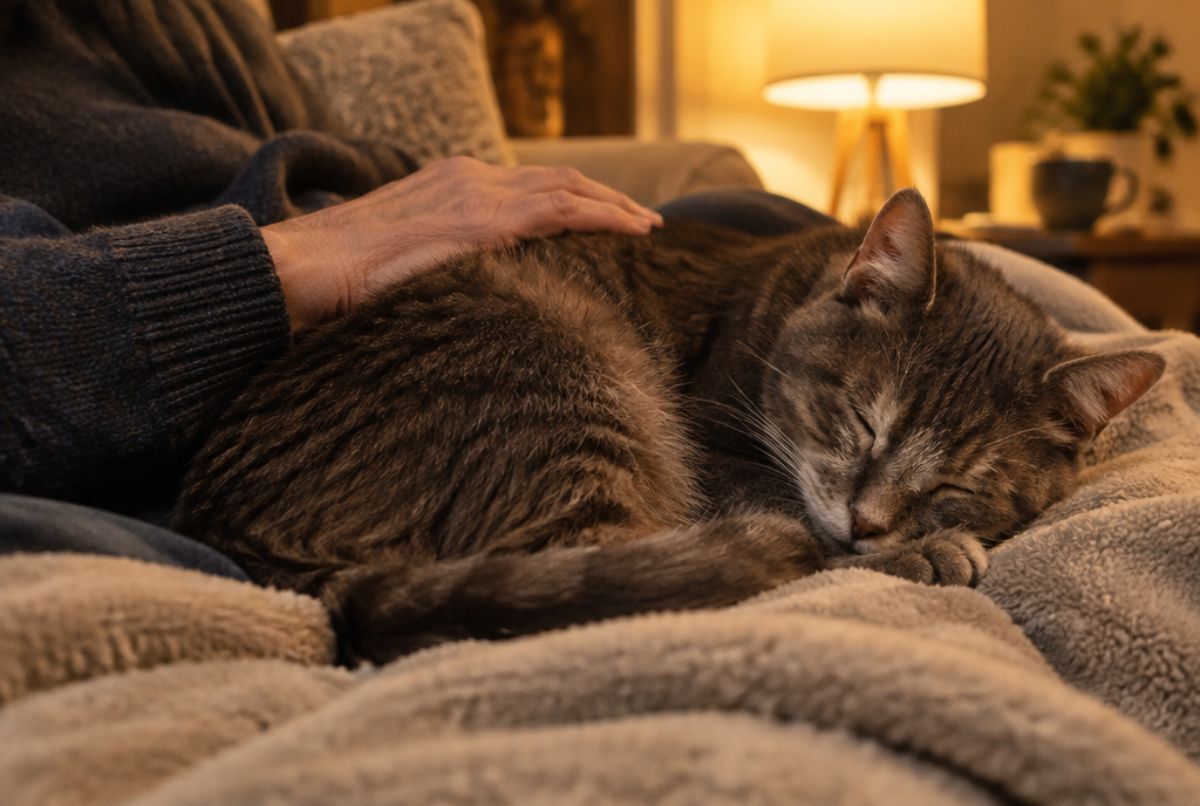
When you are wondering if it is time to say goodbye, focus on quality of life rather than age alone. Can your cat rest comfortably, eat enough, use the litter box and still enjoy favorite routines? If pain, confusion or decline begins to outweigh comfort, it may be time to plan a gentle goodbye. Our quality of life checklist and our guide on how euthanasia differs for cats and dogs can help you prepare.
If you would like help judging your cat's quality of life before a crisis, Honor Pet offers one-hour quality of life consultations with a licensed veterinarian, virtual or in person. When the time comes, our veterinarian can provide a peaceful in-home euthanasia throughout Los Angeles and surrounding areas, so your cat can stay somewhere familiar, or a gentle goodbye at our Comfort Center in downtown Los Angeles, with private, home-like rooms. Appointments are available 7 days a week, and same-day visits are often available.
Is your senior cat slowing down?
Our veterinarians can help you understand your cat's quality of life and plan a gentle goodbye when the time comes, at home or at our Comfort Center.
Talk to Honor Pet or call (323) 515-1234
When you want to keep a lasting memory of your cat, a clay paw print or a whisker clipping can preserve a small part of them. The Honor Pet store also offers urns from $25 to $295, and our guide to cat urns for ashes can help you choose.
Frequently Asked Questions
How Can I Help My Cat Live a Longer, Healthier Life?
Support a healthy life with good care every day: feed a balanced diet, keep your cat at a healthy weight, have them neutered, stay current on vaccines and parasite prevention, and schedule regular veterinary care. Keep play and enrichment in the routine, and pay attention to subtle changes, because early treatment often protects both lifespan and quality of life.
Do Older Cats Suffer from Age-Related Health Issues?
Yes. Older cats commonly face age-related health issues such as kidney disease, hyperthyroidism, diabetes, arthritis, dental disease and high blood pressure. Because signs can be easy to miss, regular checkups, bloodwork and urine testing become more important as cats move into their senior years.
Do female cats live longer than male cats?
On average, yes. In a 2024 UK study of 7,936 cats, females had a life expectancy of 12.5 years at birth, compared with 11.2 years for males, a difference of about 16 months. Neutering, body weight, lifestyle and access to care still matter more for any individual cat.
How old is a 15-year-old cat in human years?
Using the AAFP's life stage chart, a 15-year-old cat is about 76 in human years. At that age, your cat is firmly a senior. This is a good time to watch mobility, appetite, litter box habits and weight closely and to schedule regular senior checkups.
Is 20 old for a cat?
Yes, 20 is very old for a cat, about 96 in human years. While many cats reach their late teens, 20 is well beyond the usual life expectancy. It is nowhere near the record of 38 years, but it is an exceptional age that calls for close monitoring and thoughtful comfort care.
How long do mixed-breed cats live?
Mixed-breed (crossbred) cats had a life expectancy of 11.9 years at birth in the 2024 UK study, longer than purebred cats as a group (10.4 years). Many crossbred cats live into their mid or late teens, especially with a healthy weight, safe living conditions and regular veterinary care.