
Introduction
The most common signs of a brain tumor in dogs are new seizures in an adult or senior dog, behavior changes, circling or pacing, head pressing, a head tilt, vision problems and trouble walking. These signs usually get worse over weeks to months, and several other conditions can look similar, so any new neurological change deserves a prompt visit to your veterinarian.
Key Takeaways
- New seizures in a dog over about five or six years old are the classic warning sign, especially for tumors in the front of the brain.
- Early signs can be subtle and are easy to mistake for normal aging or canine cognitive dysfunction.
- Signs depend on where the tumor sits: the forebrain tends to cause seizures and behavior changes, while the brainstem and cerebellum tend to cause balance problems.
- An MRI is the main test, and treatment ranges from steroids and anti-seizure medicine to radiation or surgery.
- Seizure clusters, a long seizure, collapse or sudden blindness need emergency care.
- Tracking quality of life at home helps you make a calm, loving decision before a crisis.
Noticing that your dog is "just not right" can be frightening, especially when the changes involve the brain. This guide explains what to watch for, what else can cause similar symptoms, how vets reach a diagnosis, and how comfort-focused care can help when hard decisions are ahead.
What Are the Signs of a Brain Tumor in Dogs?
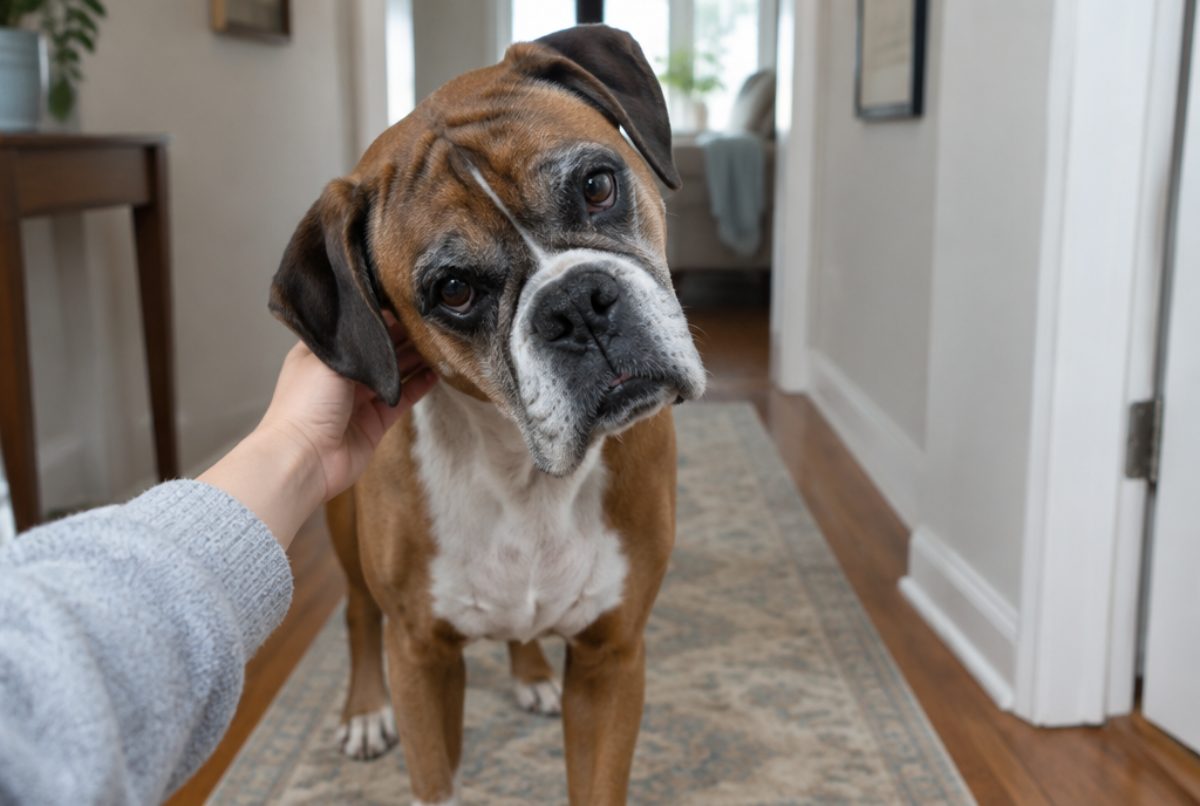
No single symptom proves a brain tumor, because the signs depend on which part of the brain is affected. Still, the most common neurological symptoms include new seizures, circling, pacing, confusion, vision changes, a head tilt, balance problems and weakness. Some dogs show subtle behavior changes first. They may seem withdrawn, restless or less aware of one side of their body, bumping into door frames on that side.
In most dogs, brain tumor symptoms progress over weeks to months. According to neurologists at MSPCA-Angell, the average time from the first seizures or behavior changes to a clearly abnormal neurological exam is about 78 days, although the range is wide. Focus on anything that is new, keeps getting worse, or affects one side of the body more than the other.
Early Signs Owners Often Miss
Some dogs do not start with dramatic signs. Instead, the first clue is a slow shift in daily habits or personality, which is why families often wonder whether the changes are simply aging.
You may notice:
- Confusion in familiar rooms or at doorways
- Pacing or circling without a clear reason
- Changes in appetite or thirst
- Loss of learned behaviors, or seeming less responsive and more withdrawn
Canine cognitive dysfunction (doggy dementia) can cause similar changes, but it usually progresses slowly over months to years. Our guide to nighttime restlessness and cognitive changes in senior pets covers that side of the picture. What raises concern for a tumor is a pattern that is new, progressive or paired with other neurological signs.
Seizures, Circling and Head Pressing
Seizures are one of the most common signs of a brain tumor in dogs. In one study cited by MSPCA-Angell, a seizure was the first sign in 75% of dogs with a tumor in the front part of the brain. When a dog older than five or six has a first-ever seizure, a brain tumor is one of the possibilities your vet will want to rule out (NC State Veterinary Hospital). A normal exam between seizures does not rule it out.
Other concerning signs can appear alongside seizures or on their own:
- Constant pacing or circling, often toward one side
- Head pressing, or acting as if the head hurts
- Head tilt, falling, or a drunken, wobbly gait
If seizures are already part of your dog's life, our article on dog seizures and when it may be time to say goodbye goes deeper into seizure control and quality of life.
Brain tumor symptoms by location
Where the tumor grows shapes what you see. Your vet uses these patterns during the neurological exam to work out which part of the brain is involved.
| Part of the brain | Signs you may notice |
|---|---|
| Forebrain (thinking and behavior) | New seizures, behavior changes, loss of learned habits, pacing or circling, changes in appetite or thirst, reduced vision or awareness on one side |
| Brainstem (balance, alertness, breathing) | Head tilt, leaning or falling to one side, flicking eye movements, weakness on one side, trouble swallowing, change in voice |
| Cerebellum (coordination) | High-stepping, uncoordinated gait, head tremors when focusing on something like food, swaying, wide stance |
Source: NC State Veterinary Hospital, Neurology.
Which Dogs Get Brain Tumors and What Types Are There?
Brain tumors can occur at any age, but most are found in mature and older dogs. The Merck Veterinary Manual notes that flat-faced breeds such as Boxers, English Bulldogs and Boston Terriers have some of the highest reported rates, and Golden Retrievers may also be more likely to develop them. Tumor location usually shapes the signs more than age or breed.
| Type | Where it starts | What to know |
|---|---|---|
| Meningioma | The membranes that line the brain | The most common primary brain tumor in dogs; usually slow growing and often treatable |
| Other primary tumors | Brain tissue itself (glioma), the pituitary gland, or the choroid plexus | Behavior varies widely; gliomas are more common in some flat-faced breeds |
| Secondary tumors | Cancer that spreads to the brain from elsewhere, such as hemangiosarcoma, mammary carcinoma or melanoma | Carry a very poor outlook because the cancer has already spread |
What Else Can Look Like a Brain Tumor?
A brain tumor is the most common cause of new neurological symptoms in older dogs, but it is far from the only one. MSPCA-Angell neurologists stress keeping an open mind, because look-alike conditions can have very different outlooks:
- Epilepsy of unknown cause: recurring seizures with a normal exam in between. This explains about one in three dogs over six years old that are seen for seizures.
- Canine cognitive dysfunction: slow, dementia-like changes such as night-time pacing and anxiety that build over months to years.
- Stroke: signs appear very suddenly, do not keep getting worse, and usually start to improve within hours to days.
- Vestibular disease: a sudden head tilt and loss of balance that often improves. Our guide to vestibular disease in old dogs explains the difference.
- Infection or inflammation: some infections and immune conditions can even look like a mass on brain imaging.
Because some of these problems need urgent care, it helps to know when signs move from concerning to emergency-level.
When Is It an Emergency?
Take your dog to a veterinarian right away if symptoms are sudden, severe or rapidly worsening.
Get emergency help if you see:
- A seizure lasting more than a few minutes
- Repeated seizures close together without full recovery in between
- Sudden blindness, collapse or inability to stand
- Trouble swallowing, severe loss of balance, or changes in breathing
During a seizure, keep your dog away from stairs, water and hard furniture, and keep your hands away from the mouth. Time the episode if you can, and take a short video for your vet. Once your dog is stable, your vet can discuss the next steps.
How Is a Brain Tumor Diagnosed and Treated?
Diagnosis usually starts with a physical exam, blood work and a neurological examination to rule out other illness and pinpoint the part of the brain involved. Brain tumors are soft tissue, so skull X-rays cannot show them. An MRI (or sometimes a CT scan) under general anesthesia is needed. MRI is the test of choice, and MSPCA-Angell reports that MRI alone points to the correct diagnosis of a brain tumor in 90% or more of cases. A tissue sample is the only way to confirm the exact tumor type. Many vets also recommend chest X-rays to check whether cancer has spread from elsewhere.
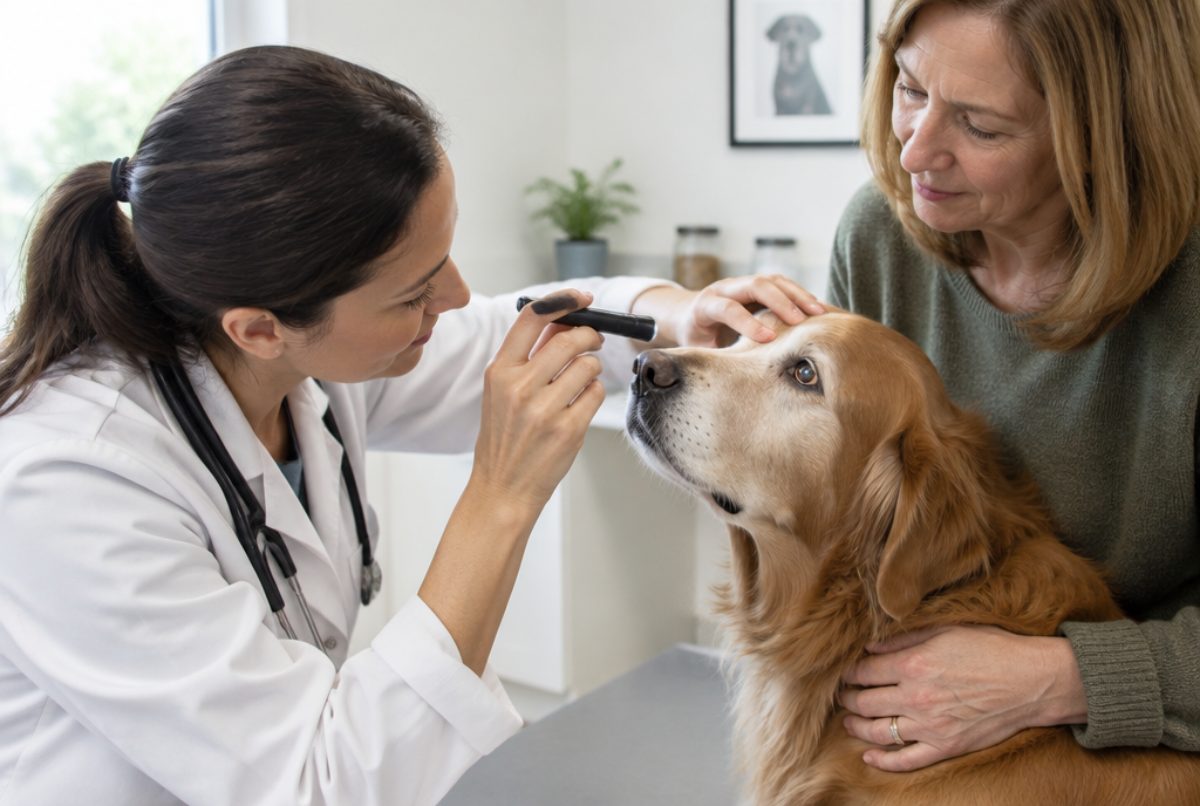
Treatment options depend on the tumor type, its location and your dog's overall health:
- Surgery can relieve pressure quickly and confirm the tumor type, but it carries real risk and is not possible for every location. MSPCA-Angell reports a median survival of about 10.5 months after surgery for primary brain tumors.
- Radiation therapy is less invasive than surgery and is often preferred when it is available.
- Chemotherapy may be used for some tumor types.
- Palliative care focuses on easing symptoms rather than treating the tumor itself.
Comfort Care at Home
Many families choose comfort care, either because advanced imaging and surgery are not the right fit, or because their dog is already frail. Steroids are the mainstay of palliative care. They do not shrink most tumors, but they reduce swelling around the mass and often bring noticeable improvement for a while.
Your veterinarian may recommend:
- Steroids to reduce swelling in the brain
- Daily anti-seizure medication if seizures are happening
- Anti-nausea medication for dogs with balance problems
- Appetite support, non-slip rugs, baby gates on stairs and padded resting areas
Comfort care can give your dog good weeks or months, but it does not stop the tumor from growing. Planning ahead is part of caring well.
Signs usually return or worsen as the tumor grows, which is why quality-of-life planning matters so much in the next stage.
When Is It Time to Say Goodbye to a Dog With a Brain Tumor?
This is one of the hardest questions a family can face. It is usually time when your dog's quality of life is declining in a steady, meaningful way and the bad days outnumber the good ones, even with medication. Some dogs do well on steroids for a while, while others decline quickly.
Survival depends on tumor type, location and treatment. With palliative care alone, MSPCA-Angell reports a median survival of about two to three months. Tumors in the front of the brain tend to allow longer (a median of five to six months) than tumors in the brainstem (a median of about one month). These are averages, not predictions, so focus on how your dog is living day to day rather than on the calendar.
Quality-of-Life Signs to Track
A simple daily log brings clarity when emotions run high. Track the same things each day so you can spot a decline that is easy to miss in the moment, especially when symptoms come and go.

Watch for:
- Eating less, or changes in drinking
- Trouble walking, falling, or getting stuck in corners
- Worsening confusion, restlessness or distress, especially at night
- More frequent seizures, or slower recovery after each one
- Signs of head pain, such as head pressing or not wanting the head touched
The bigger question is how much these signs affect comfort and dignity. If your dog can no longer rest, eat, move safely or enjoy familiar contact, it is time for a deeper talk with your vet. Our quality-of-life checklist for pets near the end of life can help you structure that log.
Questions to Ask Your Vet
Bring a written list to your appointment. In stressful moments it is easy to forget what you wanted to ask.
- What did the neurological exam suggest about the part of the brain involved?
- Is an MRI worthwhile for my dog, or is a presumed diagnosis reasonable?
- What side effects should I expect from steroids or anti-seizure medicine?
- Which changes would mean we need urgent care?
- How will we know when comfort care is no longer enough?
Good veterinary care includes preparing you for what may happen next, including end-of-life planning if the decline continues.
What Happens During Euthanasia?
Euthanasia is a gentle medical process that prevents further suffering. At Honor Pet, a calming sedative is given first so your dog feels at ease. Once your dog is fully relaxed and sleeping, a second medication allows them to pass peacefully. For dogs with a brain tumor, this can spare them more seizures, confusion, fear or head pain. You can read more in our guide to what your pet experiences during euthanasia.
Honor Pet offers in-home euthanasia throughout Los Angeles and surrounding areas, as well as euthanasia at our Comfort Center, a calm space with private, home-like rooms. Appointments are available seven days a week, and same-day visits are often possible.
Saying Goodbye Before a Crisis
Many families hope their dog will tell them exactly when it is time. Brain tumors rarely work that neatly. A sudden seizure cluster, collapse or rapid decline can force a rushed decision in an emergency room. Choosing euthanasia before a crisis is not giving up. Often, it is one last act of protection.
Planning early can help you avoid:
- An emergency seizure situation in the middle of the night
- Struggling to transport a dog who can no longer walk safely
- A final day filled with fear instead of comfort
A planned goodbye gives you more control, more privacy and often more peace, and it keeps the focus on your dog's comfort rather than the worst day.
Planning Ahead and Coping With Grief
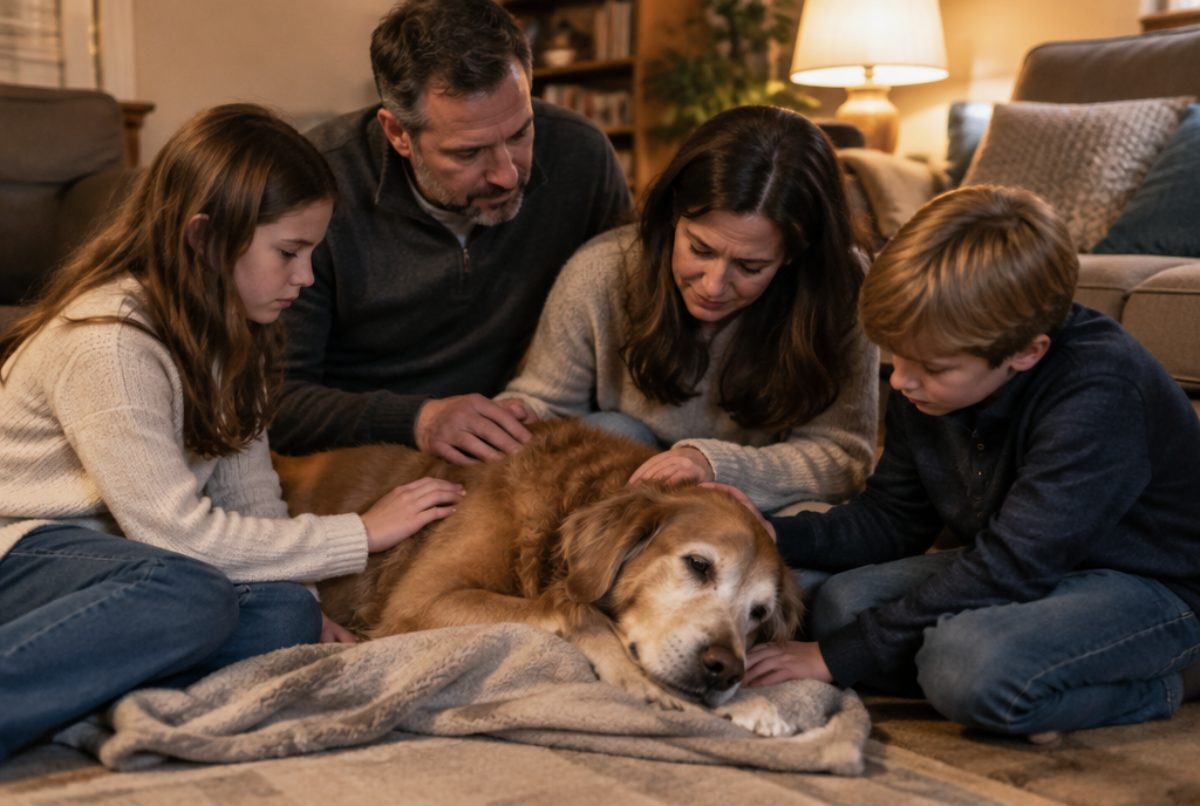
Recognizing the signs of a brain tumor in dogs early gives you time, and planning ahead helps you use that time well. It is easier to think clearly when you decide in advance who will be present, where you want the goodbye to happen and what aftercare feels right. Honor Pet offers pre-planning consultations for families who want to talk it through early.
For aftercare, water cremation is a gentle, water-based process that uses 90% less energy than fire cremation. With individual water cremation, your dog's ashes come home in the Honor Box, along with keepsakes such as a digital nose print and a fur clipping in a glass vial.
Grief often begins before the loss. You may feel sadness, guilt and even relief in the same hour, and all of that is normal. If you are deciding based on comfort, dignity and quality of life, you are acting out of love. Our pet loss support is there for the days and weeks that follow.
Worried about your dog's brain tumor symptoms?
Our veterinarians can help you weigh the next step with care, at home or at our Comfort Center.
Talk to Honor Pet or call (323) 601-0741
If you would like a lasting keepsake, a clay paw print can be taken with care during aftercare, and the Honor Pet store also offers ink paw and nose prints, urns from $25 to $295 and cremation jewelry that can hold a small amount of ashes or fur.
Frequently Asked Questions
How Quickly Do Brain Tumor Symptoms Progress in Dogs?
Brain tumor symptoms in dogs usually get worse over weeks to months, although some signs seem to start suddenly or come and go. The speed depends on the tumor type, size and location. Faster progression generally means a more guarded outlook and a greater need to plan ahead.
Are Brain Tumors Different in Older Versus Younger Dogs?
Brain tumors can affect dogs of any age, but they are much more common in dogs over five or six years old. The signs look similar at any age. What changes is how strongly vets suspect a tumor: in a senior dog with new seizures or steadily worsening signs, a brain tumor moves higher on the list.
What Should I Do If My Dog Has a Seizure at Home?
Focus on safety first. Keep your dog away from stairs, water and sharp furniture, and keep your hands away from the mouth. Time the seizure and call your vet. Seek emergency care if a seizure lasts more than a few minutes or if seizures happen back to back. Your vet may prescribe daily anti-seizure medication.
How Long Can a Dog Live With a Brain Tumor?
It varies widely with tumor type, location and treatment. With comfort care alone, the median is about two to three months, while surgery or radiation can extend that for some dogs. Weigh the time against your dog's quality of life, not just its length.
Is a Dog With a Brain Tumor in Pain?
Some dogs seem to have head pain or pressure, such as pressing the head against walls or avoiding being touched on the head. Others mainly show seizures, confusion or balance problems. Pain is not always obvious, so look at the whole picture of sleep, appetite and distress, and ask your vet about comfort medication.
Can a Brain Tumor in Dogs Be Cured?
Some tumors, such as certain meningiomas, can be treated effectively, but a cure is not always possible. Options include surgery, radiation therapy and medical management. What is realistic depends on the tumor type and location, the risks involved and how your dog is doing overall.